Solar panels are a smart investment for long-term energy savings and sustainability, but how do they hold up when winter weather sets in? For Lake County homeowners, where mild to moderate winters are common, understanding winter solar panel performance is key to maximizing energy output and getting the most from your system year-round.
Contrary to popular belief, solar energy in winter can still be a reliable and effective power source. Even when the sun seems scarce. Let’s break down how solar panels operate during winter in Lake County and how to maintain their efficiency despite cooler temperatures and potential weather challenges.
Do Solar Panels Work in Winter?
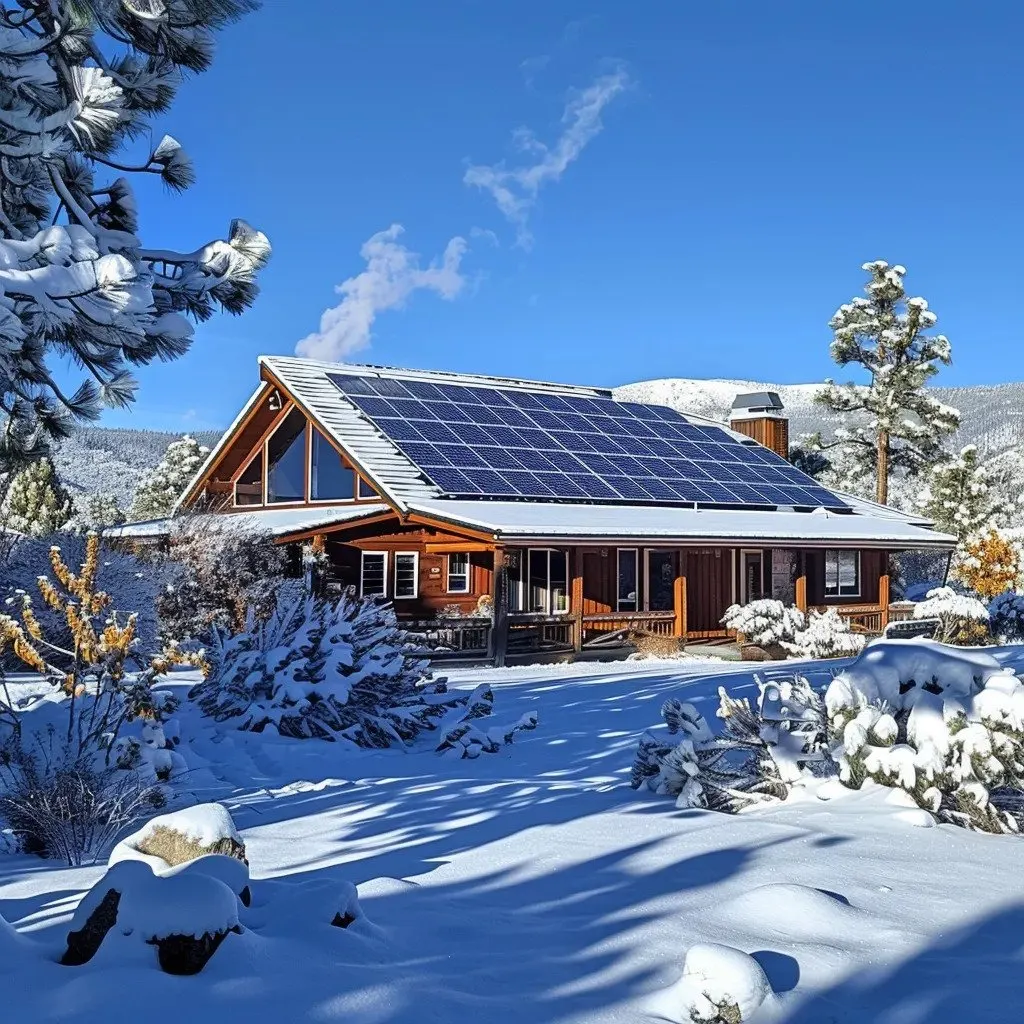
Yes, solar panels work in winter. Often more efficiently than you might expect. Solar panels generate electricity from sunlight, not heat, meaning that cold temperatures do not hinder their ability to produce energy. In fact, solar panels can be more efficient in cooler weather because excessive heat can reduce panel performance.
Key Factors That Impact Winter Solar Panel Performance:
- Daylight Hours: Shorter days mean less total sunlight, which can reduce overall daily output.
- Sun Angle: The sun sits lower in the sky during winter, changing the intensity and angle of sunlight hitting the panels.
- Snow Coverage: Snow can temporarily block sunlight, but most panels are installed at an angle that allows snow to slide off easily.
- Temperature: Cold air can improve panel efficiency, helping offset reduced daylight hours.
According to the National Renewable Energy Laboratory (NREL), solar panels continue producing power even on cloudy or snowy days, though output will be lower than on clear, sunny days.
How Solar Panels Handle Snow and Ice
In Lake County’s relatively mild winter climate, heavy snow accumulation is rare, but light snowfalls can still occur. Fortunately, solar panels are designed to handle snow and ice effectively.
Why Snow Has Limited Impact:
- Smooth, angled surfaces allow snow to melt and slide off quickly.
- Dark-colored panels absorb heat from sunlight, even on cold days, which speeds up snow melt.
- Most panels are elevated above the roof, allowing airflow that helps with snow shedding and drying.
The Solar United Neighbors notes that in most cases, manual snow removal is unnecessary, and trying to clear panels could risk damaging them. However, if snow persistently blocks panels and you notice a significant dip in output, contact a professional for safe removal.
Tips for Maintaining Solar Efficiency in Winter
While solar panel maintenance is minimal, winter offers a great opportunity to perform a basic system check to ensure everything’s working optimally.
Winter Maintenance Tips for Solar Panels Lake County Homeowners Should Follow:
Monitor System Performance: Use your inverter or solar monitoring app to track energy production. Look for sudden drops that might indicate snow coverage or other issues.
Keep Panels Clean: Debris and dirt can still accumulate during winter. If safe to do so, rinse panels with water during a warmer day to clear dust and grime.
Inspect for Shade: Winter sun angles can change shading patterns. Trim tree branches if they’re casting new shadows on your panels.
Schedule Professional Inspections: Have a solar technician check wiring, inverters, and connections once a year to ensure peak performance.
Consider a Service Panel Upgrade: If your current electrical panel isn’t equipped to support additional energy loads or battery storage, you might benefit from a solar-ready service panel upgrade. This helps optimize efficiency and prepare your home for future solar expansion or battery integration.
By following these tips, you can ensure your solar panels in Lake County continue to perform reliably during the colder months.
What to Expect from Solar Energy Production in Winter
It’s normal to see a seasonal dip in energy production during winter months due to reduced sunlight. However, the efficiency gains from colder temperatures and proper system maintenance help offset some of the decline.
Important Notes About Winter Solar Energy Output:
- Average production may drop 30–50% compared to summer months, depending on weather and daylight hours.
- Net metering programs allow you to earn credits during sunnier months to offset winter usage.
- Battery storage systems can store excess energy from sunny days for use during darker periods.
Over the year, these seasonal variations balance out, and solar panel systems are still cost-effective and efficient long-term investments.
Is Winter Solar Worth It in Lake County?
Absolutely. Lake County’s mild winters and plentiful sunshine, even during colder months, make it an ideal region for solar energy year-round. Snowfall is minimal, and temperatures rarely dip to extremes that could challenge solar equipment.
Investing in solar panels in Lake County not only provides energy savings and environmental benefits, but also enhances home value and contributes to long-term energy independence. With proper maintenance and monitoring, you can enjoy strong solar performance. Even in winter.
For expert advice on maximizing your solar system’s efficiency or considering an installation, contact Jonas Energy Solutions today. Our team offers tailored solar solutions to help you get the most out of your investment, no matter the season.