Most Lake County homeowners who call about home battery storage are not asking whether backup power is a good idea. They already know they want it after the last outage. What they actually want to know is a number, specifically how much battery capacity their home needs so they are not stuck underpowered during a multi-day outage or paying for capacity they will never use.
The honest answer is that there is no single right size. The right system depends on your home's energy use, which circuits you want to keep running, how long outages typically last in your area, and whether you already have solar. Here's how our team at Jonas Energy Solutions walks Lake County homeowners through it before they get a quote.
What Home Battery Storage Actually Does for Your House
A home battery stores electricity, either from your solar panels or the grid, so it is available after the sun goes down or when the power goes out. On its own, that description does not tell you much. What matters is how many usable kilowatt hours (kWh) your battery holds and which parts of your home draw from it.
How Solar Plus Storage Keeps the Lights On
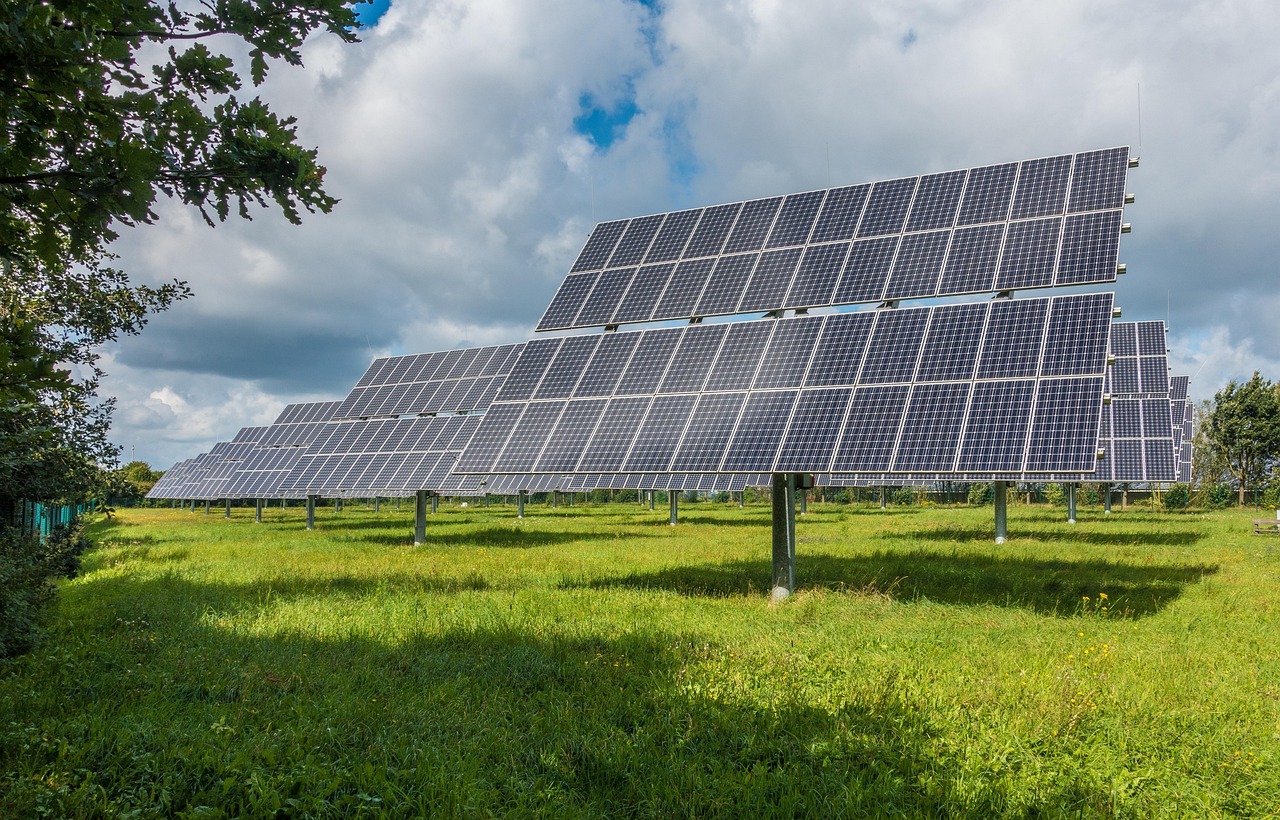
When a battery is paired with solar, the panels charge the battery during the day and the stored energy is available at night or during an outage. The U.S. Department of Energy notes that residential solar paired with battery storage can provide power regardless of the weather or time of day, without relying on backup from the grid. That is true, but only up to the point where the battery runs out. How long that takes depends entirely on sizing.
Why Whole Home and Essential Circuits Are Different Goals
There are two very different goals homeowners bring to us, and they lead to very different battery sizes.
- Essential circuits only: Keep the refrigerator, a well pump, some lights, and communication devices running during an outage.
- Whole home backup: Keep the entire house, including HVAC, running close to normal during an extended outage.
A system built for essential circuits can be meaningfully smaller and less expensive than one built to run an entire home, so it helps to decide which goal actually matches your household before comparing quotes. For example, a household that only needs to keep a refrigerator, a well pump, and a few lights running during a Public Safety Power Shutoff typically needs meaningfully less capacity than one that also wants to run central air conditioning and a home office through the same event.
The Real Factors That Determine Your Battery Backup Size
Every home battery backup recommendation should start with your actual usage, not a generic number pulled from a brochure.
Your Daily Energy Use and Critical Loads
Your average daily electricity use sets the baseline, but the loads you actually want backed up matter more. A well pump, sump pump, or medical equipment can draw far more power in short bursts than everyday electronics, and those loads should be identified specifically rather than assumed. As a general pattern, smaller households with fewer high-draw appliances typically need less battery capacity than larger households running electric heating, well pumps, or EV chargers, though the only way to know for certain is to review your own usage.
How Long You Need Backup to Last During Local Outages
Lake County's rural, mountainous terrain and wildfire related Public Safety Power Shutoffs can mean outages that last well beyond a few hours. Sizing a battery around a short, occasional outage looks very different than sizing one around a multi-day event, so it is worth being realistic about what you have actually experienced on your property.
Whether You Are Adding Storage to an Existing Solar System Under NEM 1, 2, or 3
We regularly work with homeowners who installed solar years ago under older Net Energy Metering (NEM) rules and are now adding a battery for the first time. Sizing in that situation depends on your existing array's output, your inverter's compatibility, and your current usage pattern, not just a standard package size.
A few factors we walk through with every homeowner before recommending a size include:
- Average daily household electricity use, in kWh
- Which specific circuits you want backed up
- The typical length of outages on your property
- The size, age, and inverter compatibility of any existing solar array
- Whether you plan to add an EV charger or other large loads later
Best Home Battery Backup Options for Different Household Needs
Once you know your goal and your real usage pattern, it's easier to identify the best home battery backup option for your household.
Essential Circuit Systems for Shorter Outages
For homeowners mainly concerned about short, occasional outages, a smaller system dedicated to a handful of circuits is often the most cost effective starting point.
Whole Home Systems for Longer Outages
For households with medical needs, home offices, or a strong preference for normal day-to-day operation during an outage, a larger system sized to cover most or all of the home makes more sense, even though it costs more upfront.
Expandable Systems If Your Needs Grow Later
If you are not ready to commit to a whole home system now, ask whether the system you choose can be expanded later. This lets you start with essential circuits and add capacity as your budget or needs change, which is often more practical than trying to guess your future needs today. You can see the home battery storage systems we install across Lake County to get a sense of how these systems are typically configured.
Battery Backup vs Generator, and Where a Hybrid Setup Makes Sense
One of the most common questions we get is whether a battery or a generator is the better investment, and the honest answer is that they solve different problems.
What Each Option Does Well
- Battery backup: Silent, starts instantly, requires no fuel, and can recharge from solar, but is limited by its stored capacity.
- Generator: Can run for as long as fuel is available and typically handles larger loads, but requires fuel storage, regular maintenance, and produces noise and exhaust.
When Lake County Homeowners Choose Both
For many households in our service area, the most resilient setup pairs a battery for daily use and shorter outages with a generator for extended multi-day events. If a generator is part of your plan, our team also handles generator maintenance and installation services so both systems are sized to work together rather than in isolation.
Solar Battery Storage Options and How NEM 3.0 Changes the Math
Where you fall in California's Net Energy Metering rules changes how much value a battery adds to your specific situation.
Existing Solar Customers Under NEM 1 or NEM 2
If your solar system was installed under NEM 1 or NEM 2, you may still be receiving strong credit for excess energy sent back to the grid. Adding a battery in this case is often about resilience during outages first, with financial payback as a secondary benefit.
New Solar Customers Under NEM 3.0
Under NEM 3.0, the credit for exporting excess solar to the grid is significantly lower than under earlier rules, which makes storing and using your own solar energy more valuable than exporting it. For new solar customers, that shifts battery storage from a nice-to-have feature to a core part of getting full value from the solar systems we design for Lake County homes.
How Jonas Energy Sizes a Home Battery Backup System in Lake County, CA
We have been installing and designing solar systems for Lake County and El Dorado County homeowners since 2000, and sizing a battery correctly is where a lot of that experience actually gets used.
Our On-Site Load Assessment Process
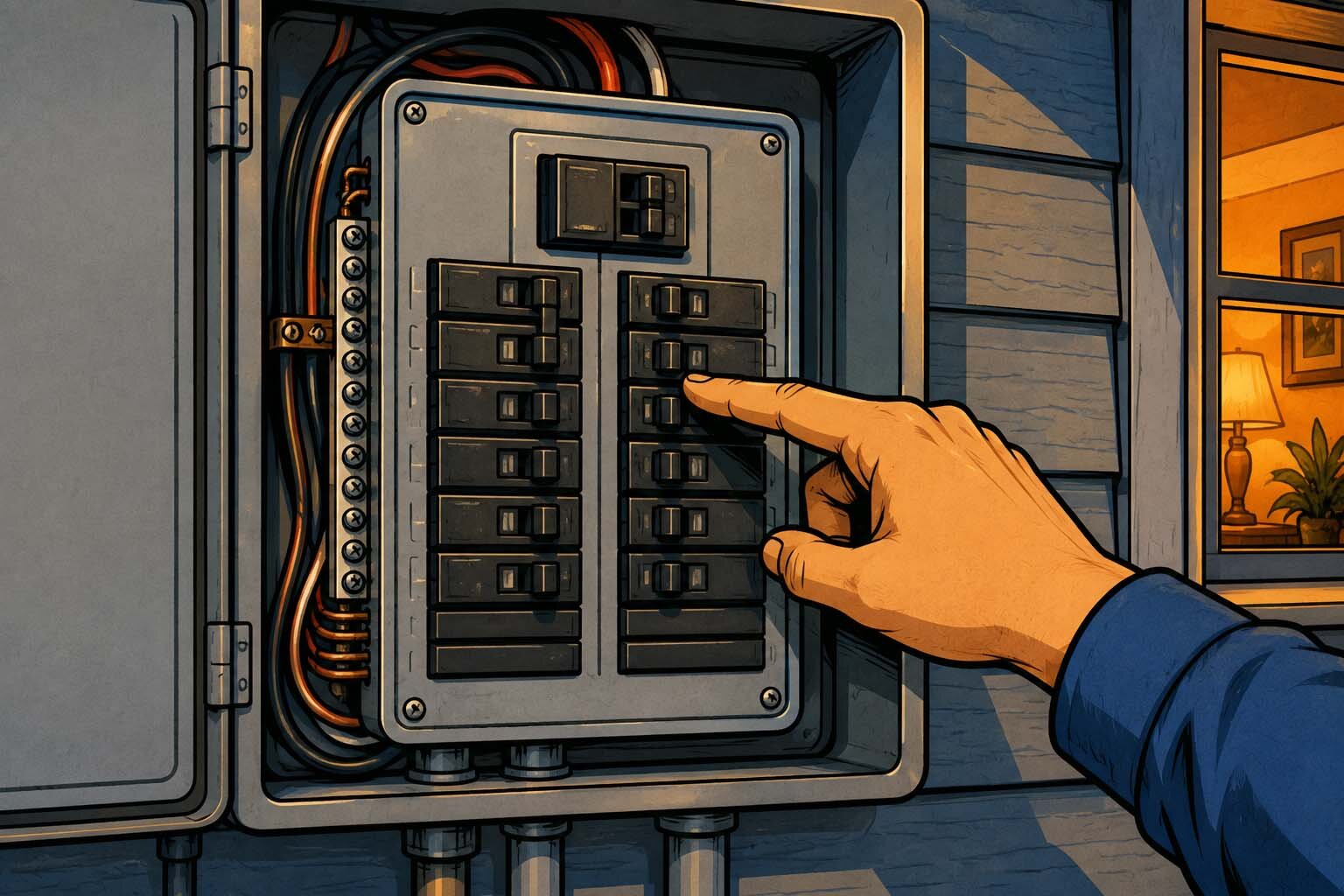
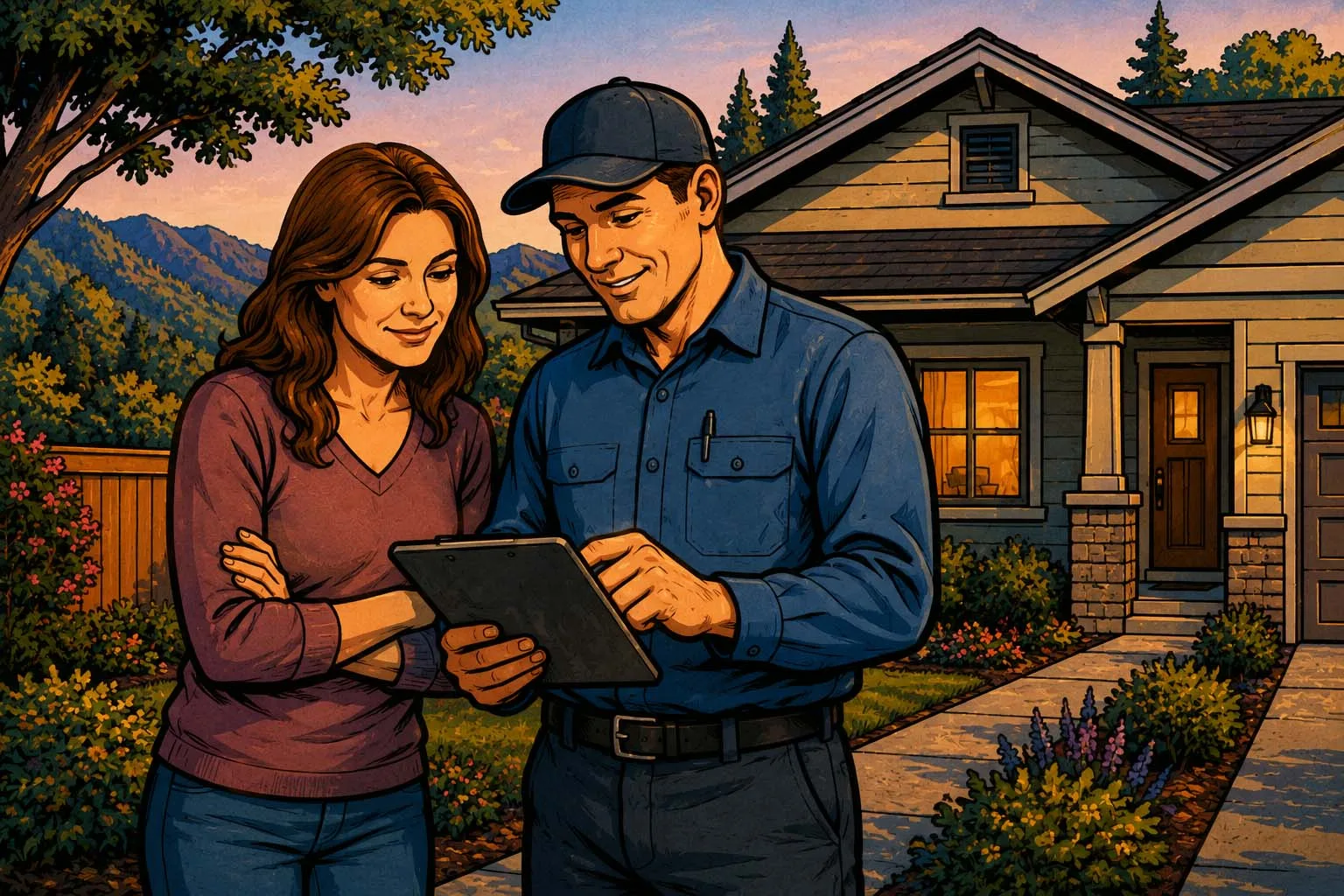
Rather than starting from a standard package, we walk through your home's electrical panel, identify the circuits that matter most to you, and review your actual usage and any existing solar production before recommending a size. This is especially important for homes with older solar systems, well pumps, or unique layouts that a generic sizing chart would miss.
What We Ask Before Recommending a Size
Expect us to ask about your typical outage length, which appliances or systems you cannot go without, whether you plan to add an EV charger or other large loads, and how your current or planned solar system is configured. Those answers, not a one-size-fits-all package, are what actually determine the right recommendation for your home.
If you want a straight answer about what size home battery storage makes sense for your property, our team can walk your home with you and size battery backup in Lake County, CA around how you actually live, not a generic average. Schedule a free solar and battery consultation to get started.