If you have opened a summer electric bill in Lake County and felt that stomach drop, you are not alone. When temperatures climb, air conditioners run longer. That extra runtime can turn small problems like a dirty filter or a leaky duct into real dollars.
If you are reading this in spring or early summer, it is also the best time to act. Doing maintenance and planning upgrades before the first major heat wave helps you avoid the seasonal rush, get better scheduling availability, and fix small issues before they become expensive breakdowns on the hottest day of the year. It also gives you time to compare options, apply for financing if needed, and complete any permitting or installation work without the pressure of “we need this now.”
The good news is that many of the most effective ways to lower your summer electric bill in Lake County, CA are not complicated. They are about improving how your cooling system moves air, how your home holds onto cool air, and which upgrades make the most sense for your house and your budget.
Below is a practical, homeowner-friendly guide to help you cut costs while staying comfortable. It also covers one reality that Lake County residents know well: windy-day power shutoffs and outages can change the “right” upgrade plan, especially if you are trying to stay cool during a PSPS event.
Why your summer electric bill is so high in Lake County, CA (and what you can control)
Heat, older homes, and AC runtime
In hot stretches, your AC can run for hours a day. If your system is slightly underperforming, that runtime does not just increase. It can multiply.
A few common reasons include restricted airflow from dirty filters or blocked vents, dirty coils that cannot transfer heat effectively, duct leaks that send cooled air into the attic or crawlspace, and thermostat settings that keep the system constantly chasing a temperature that is hard to hold.
The hidden cost of “small” inefficiencies
A system can still cool your home while wasting energy. That is why many homeowners do not realize there is a problem until the bill shows it.
The usual signs are subtle. Rooms may cool unevenly. Cooldown times can stretch longer in the afternoon. The AC may run frequently even on mild days.
Start with the quickest wins
If your goal is lower bills this summer, start with improvements that deliver results quickly. For most homes, that means HVAC maintenance and airflow first, then thermostat and usage habits, and only then bigger upgrades like ductless cooling, solar, or backup power.
HVAC maintenance in Lake County – the fastest way to lower your summer electric bill
HVAC maintenance is not glamorous, but it is one of the most reliable ways to reduce summer energy waste. It is also the upgrade that supports everything else you do next.
Just as important, doing it before summer arrives reduces the odds you will be stuck waiting for an appointment during peak season. A tuned system is more likely to handle long, hot stretches without surprise failures, and any needed parts or follow-up work are easier to handle before demand spikes.
Replace filters and improve airflow
A clogged filter can make your system work harder than it should. That means longer run times and higher bills.
If you are not sure what filter type you need or how often to change it, an HVAC technician can help you choose the right filter rating for your system and household needs. The goal is clean air and strong airflow, not the highest rating possible if it restricts flow.
If you want a structured way to stay on schedule, a maintenance membership can help you avoid “set it and forget it” problems.
Tune-ups, refrigerant checks, and coil cleaning
A proper AC tune-up looks beyond a quick visual check. It includes verifying that the system is operating within manufacturer specs, checking components, and cleaning what needs cleaning.
For homeowners, the key takeaway is simple: a clean, properly charged, well-tuned system cools faster and cycles more efficiently.
If you are looking for what an AC maintenance visit typically covers, you can start here: Air conditioner maintenance services.
Duct leaks and insulation issues that waste money
Ductwork often runs through spaces you do not see. If there are leaks or poorly insulated ducts, your system may be cooling places that do not need cooling.
In Lake County homes, this can show up as one or two rooms that never feel as cool, a big temperature difference between morning and late afternoon comfort, or an AC that seems to run “all day” when it is hot.
A technician can help identify whether airflow balancing, duct sealing, or insulation improvements are worth it for your home.
Smart thermostat settings and cooling habits to reduce kWh (without sacrificing comfort)
Thermostats and habits matter, but they work best after airflow and equipment basics are solid.
Thermostat settings that balance comfort and savings
A small adjustment can make a difference if it reduces runtime during peak heat. Many homeowners do best with a consistent temperature that avoids constant “catch up” cycles.
If you are frequently dropping your thermostat very low to cool the house quickly, that can backfire. The system may run longer overall, especially if ducts and airflow are not optimized.
Ceiling fans, shading, and ventilation timing
Think about cooling as a whole-home strategy. Use ceiling fans in occupied rooms so you can set the thermostat a bit higher. Close blinds on sun-facing windows in the afternoon. If evenings cool down, use ventilation strategically so you are not fighting the outdoor temperature.
When to stop “fighting” a struggling AC system
If your system is older, needs frequent repairs, or struggles every summer, you may be spending money on high energy use and high maintenance at the same time.
This is a good point to ask for a professional opinion. Sometimes the most cost-effective move is improving comfort in targeted areas first, such as with ductless options.
High-ROI home upgrades in Lake County that cut cooling costs (ductless, solar, and more)
Once maintenance and basic controls are handled, you can look at upgrades that reduce costs more dramatically. The right choice depends on how your home is laid out and what you are trying to solve.
Planning these upgrades ahead of summer matters because many of them involve home walkthroughs, load calculations, equipment ordering, and installation lead times. If you wait until the first heat wave, you may end up choosing whatever is available fastest, rather than what fits your home best.
Ductless mini-splits for targeted, efficient cooling
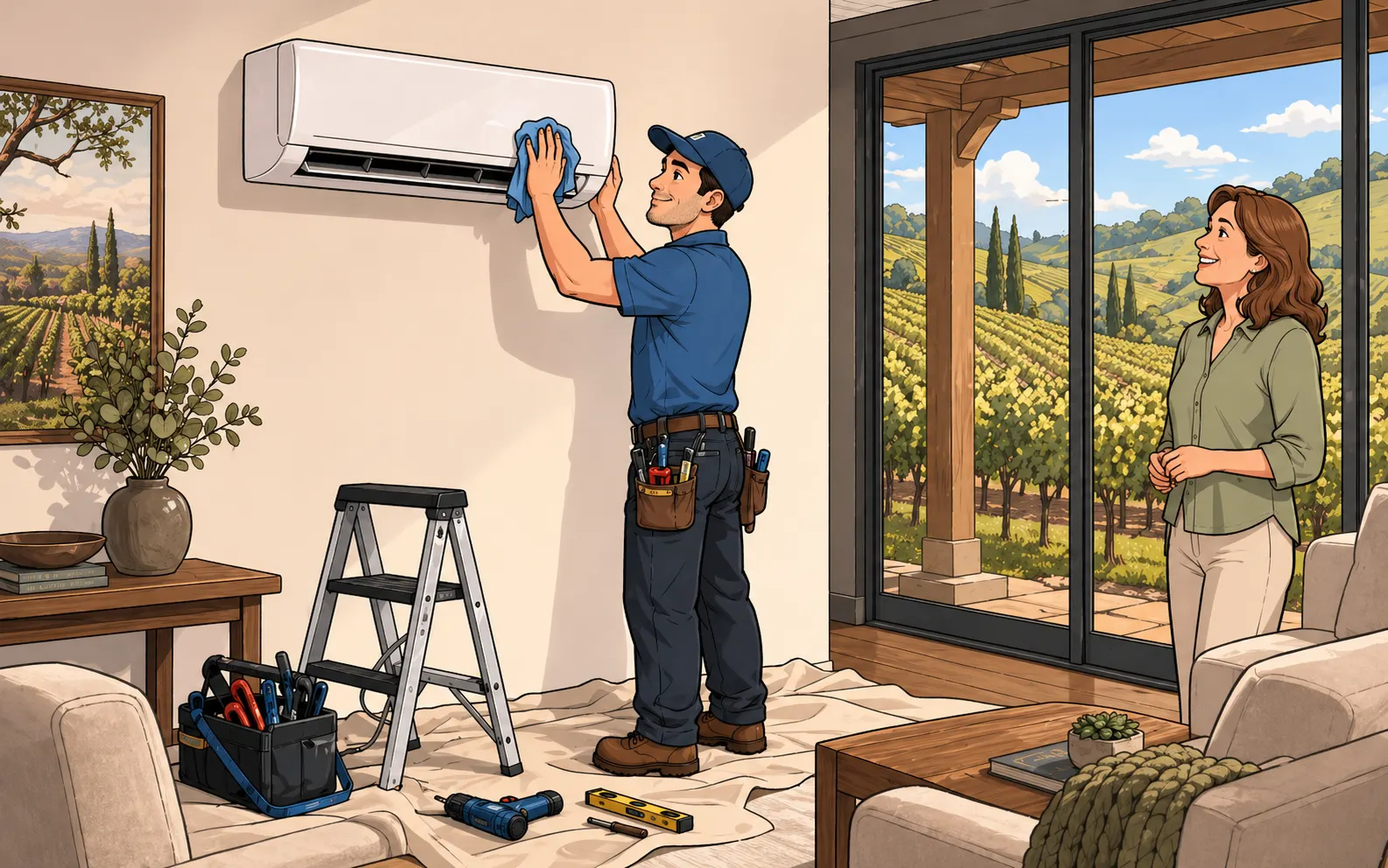
Ductless mini-splits can be a strong option if rooms are consistently hotter, if you want efficient cooling in additions, garages, or home offices, or if you prefer to cool the rooms you use most rather than the entire house equally.
In many homes, targeted ductless cooling can reduce the load on a central system, which can help control peak summer costs.
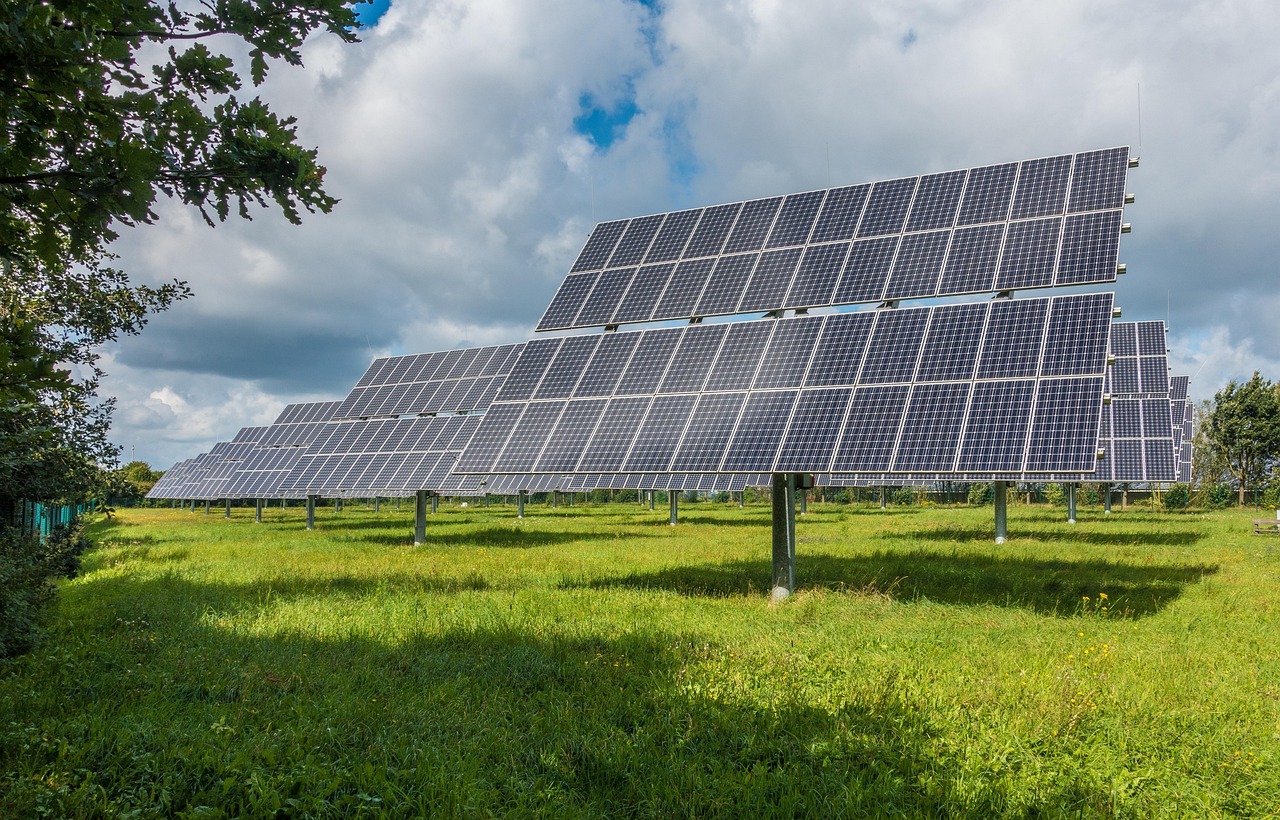
Solar to offset peak summer usage
Solar can be a good fit for homeowners who see high summer usage and want to offset that energy demand. The payback depends on your usage patterns, roof or ground-mount fit, and what you plan to power.
If you are considering solar or other major upgrades, financing options) may be part of the decision.
Whole-home surge protection to protect electronics
Power events are not only about outages. Surges can damage sensitive electronics and HVAC components. In areas with grid instability, whole-home surge protection can be a practical “quiet” upgrade that protects expensive equipment.
PSPS and windy-day outages in Lake County – stay cool with backup power planning
Lake County residents often plan for PSPS events as part of summer readiness. If your cooling strategy assumes uninterrupted power, an outage can turn a hot day into a stressful one.
Battery backup vs generator: which fits your home
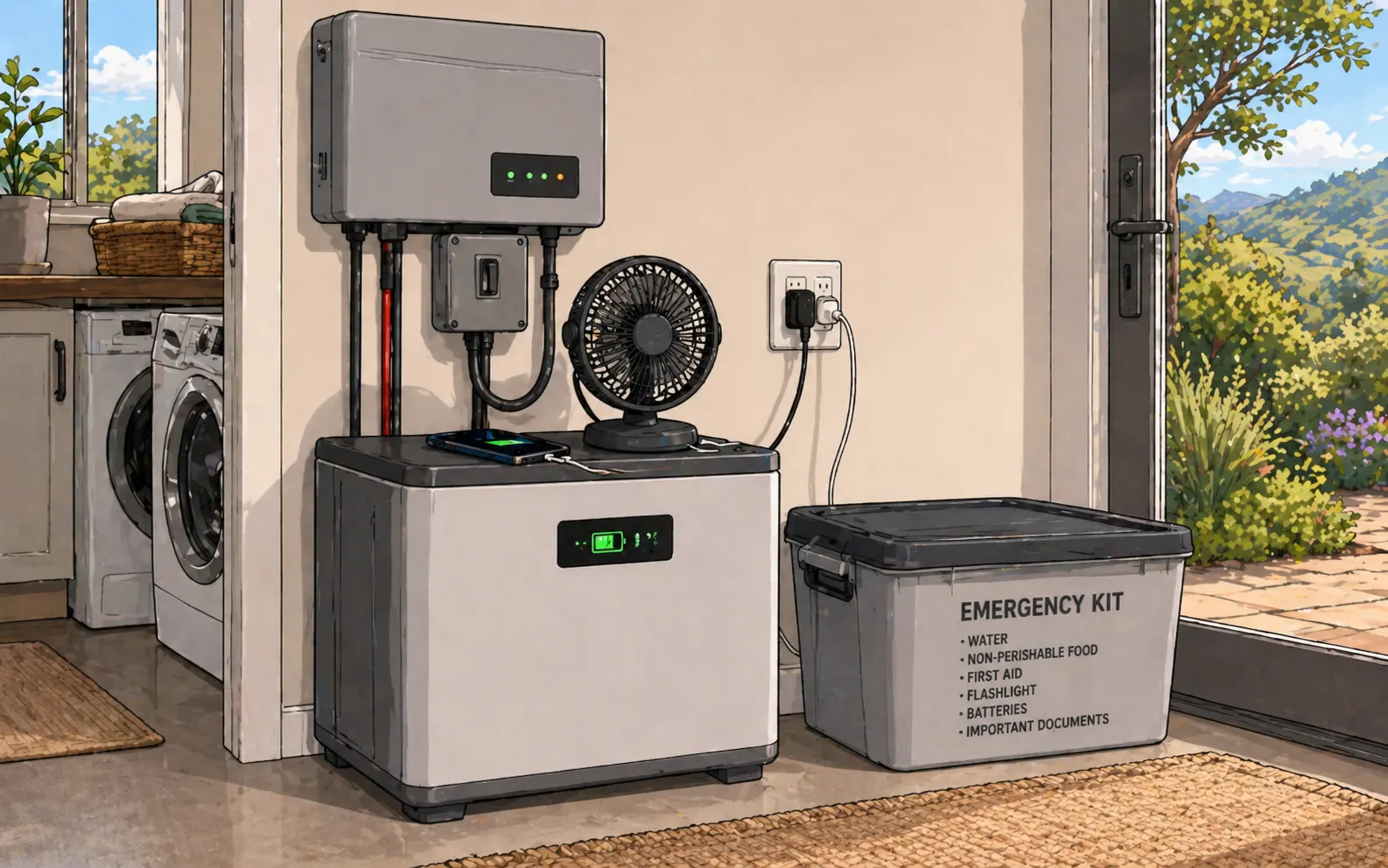
Battery systems and generators solve different problems. The best fit depends on how long outages last for your area and what you want to power.
As a general guideline, homeowners often start by deciding what is essential. For many households, that means enough cooling for sleeping and health, refrigeration, and basic lighting and device charging.
If you want to dig deeper on emergency planning, this resource explains how to prepare for power outages and extreme heat.
What to prioritize during outages
If staying cool is the priority, you may need a plan that includes a smaller, efficient cooling zone rather than trying to cool the entire home during an outage. This is one reason ductless systems can be part of an outage-resilience plan for some households.
Maintenance matters for backup systems too
Backup power is not “set it and forget it.” Like HVAC, it needs periodic checkups. If you are investing in resilience, keep maintenance in the plan so it actually works when you need it.
What to do next – a simple plan to lower your summer electric bill in Lake County
A practical order of operations
If you want a clear next step, follow this order:
- Schedule HVAC maintenance to improve airflow, efficiency, and reliability.
- Review thermostat settings and simple shading and fan strategies.
- If bills are still high, explore targeted upgrades such as ductless cooling.
- If outages are a concern, evaluate backup power options that match your essential loads.
- If you want to offset usage long-term, explore solar as part of a whole-home plan.
Signs you should book service now
Book service if you notice higher bills, longer runtime, uneven cooling, or a system that struggles during peak heat.
How to get an estimate from Jonas Energy Solutions
To get started, schedule service, request an estimate or give us a call 707-994-5911.