
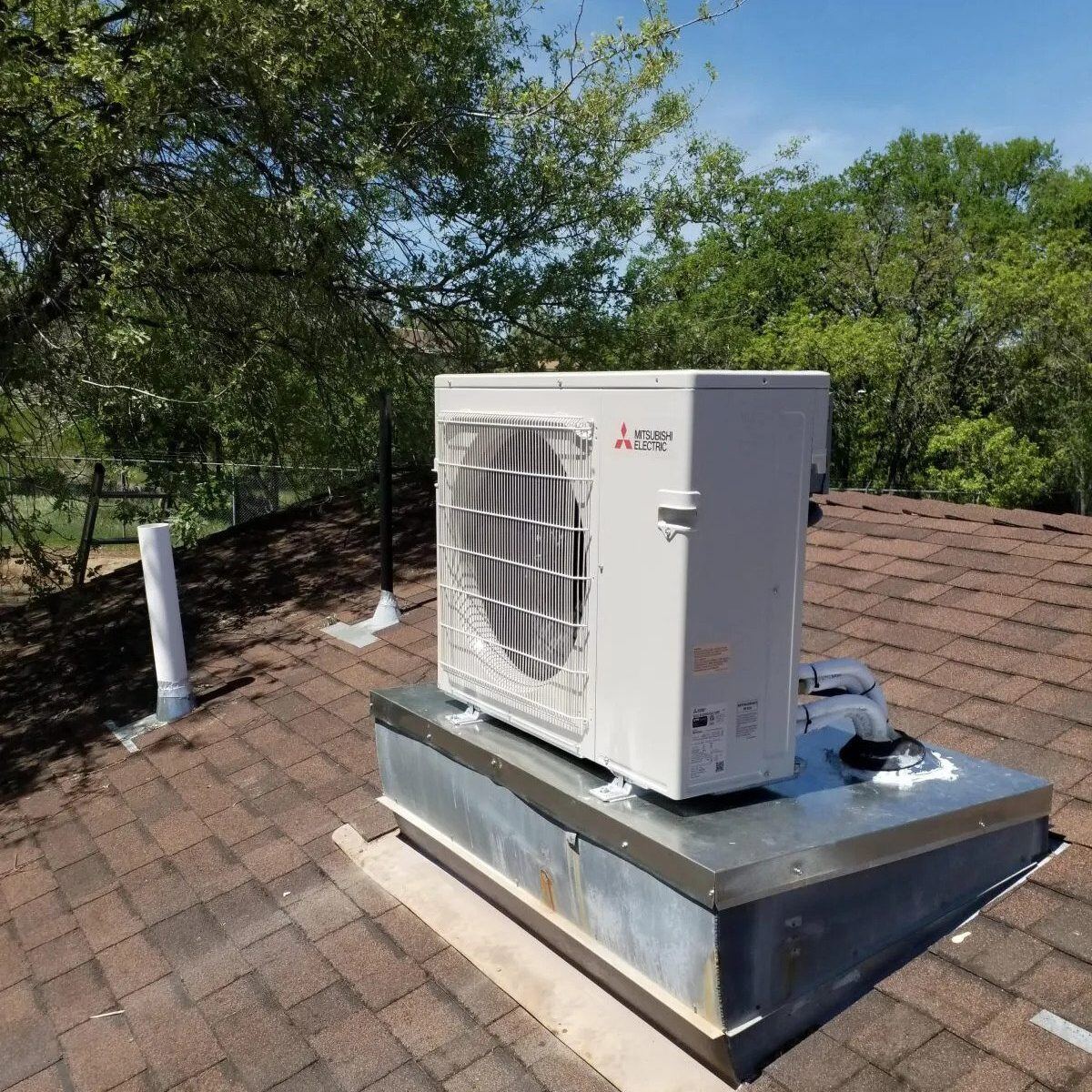
If your electric bills are climbing and your home isn’t cooling like it used to, your mini split system might be the hidden culprit. Specifically, dirty coils. While mini splits are celebrated for their efficiency and zone-based comfort, they still require regular upkeep. One of the most overlooked yet impactful tasks? Cleaning the evaporator and condenser coils.
For homeowners in Lake County relying on ductless systems to stay comfortable during California’s hot summers, understanding the impact of dirty coils is essential, not just for comfort, but for your budget and indoor air quality.
What Happens When Mini Split Coils Get Dirty?
Mini split systems rely on coils to transfer heat. The evaporator coil absorbs heat from the indoor air, while the condenser coil releases that heat outdoors. When these coils become coated in dust, pollen, pet hair, or mold, the system can no longer operate efficiently.
According to the U.S. Department of Energy, dirty coils can increase energy consumption by up to 30%. That’s because the unit must run longer and harder to achieve the same cooling effect. Driving up your monthly utility bills and wearing out your system faster.
In short: clean coils = efficient performance. Dirty coils = higher costs, lower comfort.
Common Signs Your Mini Split Needs Coil Cleaning
Wondering if your mini split is struggling? Here are some red flags to watch for:
Increased energy bills: A spike in your power bill may mean your system is working overtime.
Longer cooling times: If your rooms stay warm longer than they used to, heat transfer is likely compromised.
Weird smells or noises: Mold or bacterial buildup on coils can cause musty odors or mechanical strain.
Visible dirt or mold on the indoor unit: If your coil fins look dusty or dark, it’s time to act.
Reduced airflow: Dirty coils often cause icing, which restricts airflow through the unit.
How Dirty Coils Affect Efficiency and System Lifespan
Over time, clogged coils place extra stress on your compressor, blower, and fan motors. This doesn’t just make your mini split less efficient. It shortens its lifespan. Components wear out faster, increasing the likelihood of breakdowns and costly repairs.
Neglected coils can also lead to system freeze-ups or overheating, which may require emergency service and parts replacement. This type of avoidable damage often voids warranties and accelerates the need for full system replacement years before it should be necessary.
Energy-Saving HVAC Tips to Complement Coil Care
Maintaining clean coils is just one piece of the efficiency puzzle. Here are additional ways to get more from your mini split:
Clean or replace filters monthly: A clogged filter reduces airflow and encourages coil soiling.
Check refrigerant levels annually: Low refrigerant can reduce cooling and damage the system.
Use ceiling fans: Circulating air reduces load on the unit and evens out room temperatures.
Schedule professional maintenance: Biannual servicing catches issues before they cause damage.
Install a programmable thermostat: Optimize energy use based on your schedule and comfort needs.
For more detailed local service tips, our Jonas team can help tailor recommendations to your home’s age, layout, and HVAC configuration.
Should You Clean Mini Split Coils Yourself?
For basic maintenance, you can:
Wipe down the unit’s exterior vents.
Rinse reusable filters under warm water.
Vacuum the front-facing coil fins using a soft brush attachment.
However, deep coil cleaning, especially behind the panel or near the fan blades, should be handled by a trained HVAC technician. Without the right tools and techniques, it’s easy to bend coil fins, dislodge electrical connections, or create condensation issues.
That’s why we recommend scheduling service with a professional who knows how to safely and effectively clean mini splits. Our mini split specialists at Jonas Energy Solutions are equipped to service all major brands and ensure your system is running at full capacity.
Why Lake County Homes Are Prone to Coil Issues
Lake County’s mix of seasonal pollen, wildfire smoke, and dry summer dust makes mini split systems especially vulnerable to coil clogging. If your home is surrounded by trees, located near unpaved roads, or sits in a high-traffic area, your system could require more frequent coil inspections.
In wildfire-prone areas, ash buildup from nearby fires can cause fine particulate accumulation that sticks to coils and reduces heat transfer. This is why we recommend checking your mini split after any major smoke event. Even if your system seems to be working fine.
Schedule a Mini Split Coil Cleaning with Jonas Energy Solutions
Don’t wait for your next energy bill to reveal a hidden problem. Coil cleaning is fast, affordable, and one of the best ways to protect your investment in a mini split system. Jonas Energy Solutions provides expert cleaning, maintenance, and repair throughout Lake County and surrounding communities.
We also offer maintenance plans that include seasonal check-ups, filter replacements, and priority scheduling so you’re always ahead of the curve.
Schedule your mini-split maintenance now →
Send a message with your HVAC questions →
Mini split systems are efficient, when maintained. Keep yours running its best with seasonal coil care from the HVAC pros at Jonas Energy Solutions. Your home (and your wallet) will thank you.