
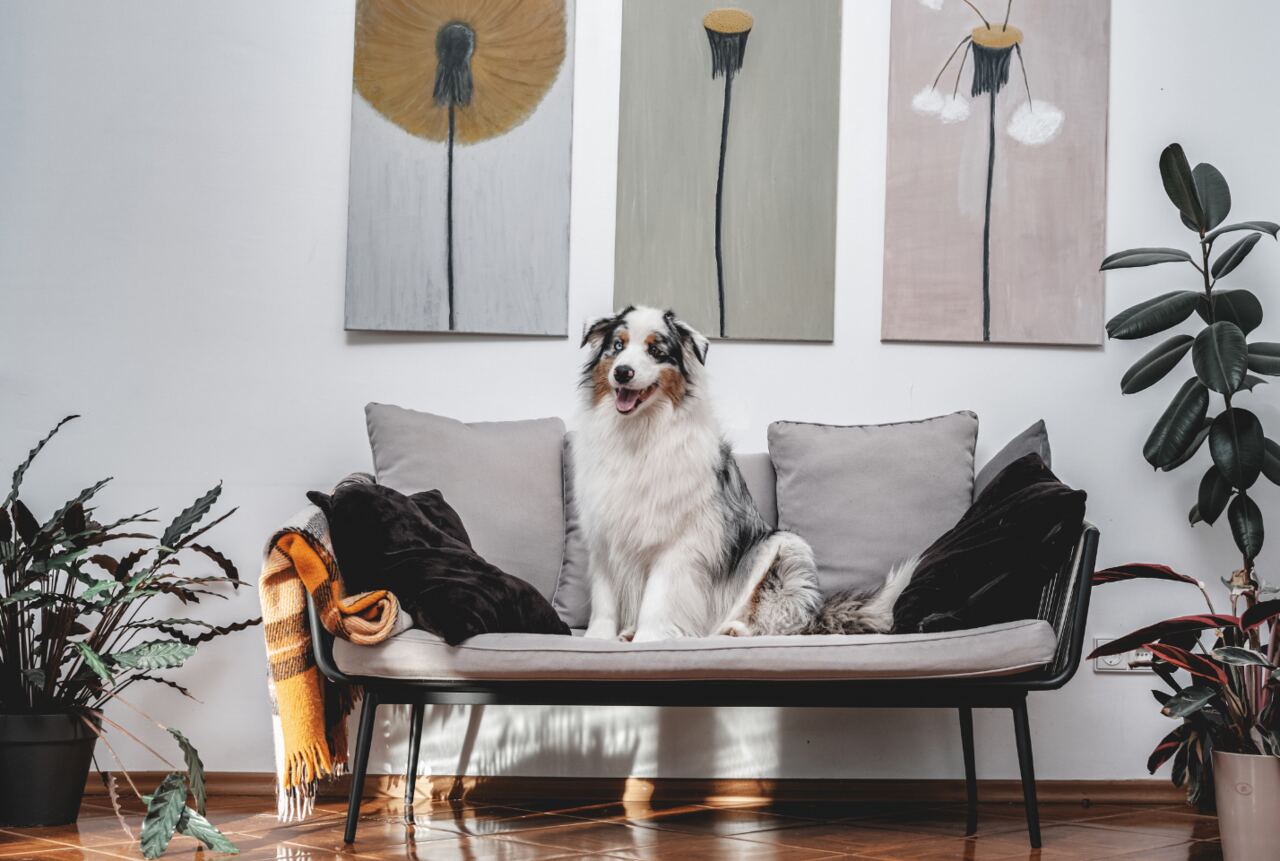
Keeping Pets Comfortable and Safe During Hot Weather
As temperatures climb each summer in Lake, Napa, and Mendocino counties, pet owners face a unique challenge: how to keep indoor temperatures safe and comfortable for pets. Unlike humans, cats, dogs, and other household animals can’t tell us when they’re overheating, and some are much more vulnerable to rising temps than others.
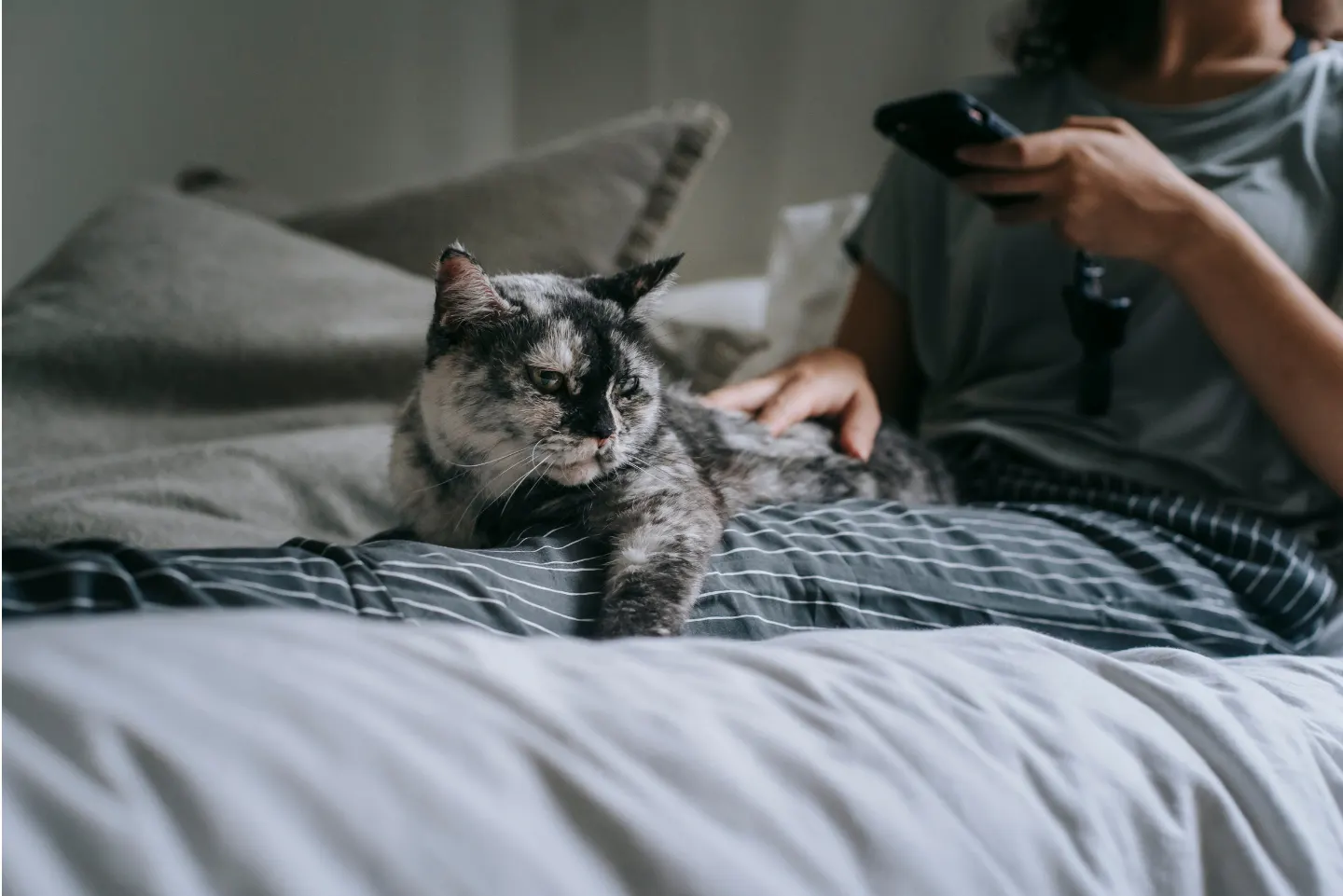
At Jonas Energy Solutions, we understand that for many of our customers, pets are family. We also know that wildfire smoke, rolling blackouts, and sudden heat waves can quickly turn an average home into an unsafe environment for pets. With input from veterinarians and our own HVAC pros, here are the top recommendations for keeping your home cool and your pets protected during California’s hottest months.
Why Pets Are More Heat-Sensitive Than People
According to the USDA’s technical guidelines for pet temperatures, most dogs are at risk of heat-related stress when indoor temperatures exceed 80°F, especially larger breeds or those with thick coats. Cats, rabbits, birds, and small mammals also have less capacity to cool themselves than we do. Factors that can increase risk include:
Breed type (flat-faced breeds like pugs or Persian cats are most vulnerable)
Age (senior pets and very young animals overheat more easily)
Health conditions (respiratory, heart, or weight-related issues)
Indoor humidity, which affects cooling effectiveness
Heavy coat types or long-haired breeds
1. Set the Right Indoor Temperature
What Temperature Is Best for Pets?
Most vets recommend keeping your indoor temperature between 72°F and 78°F during warm weather, and below 80°F at all times when pets are indoors.
Program your thermostat to prevent large temperature swings throughout the day
Use “away” settings carefully; don’t raise the thermostat more than 2-4 degrees when out
Avoid setting your system too low, which can tax the equipment
Ensure that filters and coils are clean for maximum efficiency
Why System Maintenance Matters
If you have an older AC unit or haven’t had maintenance in the last year, your system may not cool as evenly as it used to. For homes with pets, Jonas Energy recommends seasonal AC maintenance to prevent breakdowns.
2. Improve Airflow and Circulation
Why Airflow Is Key for Pet Comfort
Even when the air is cool, poor circulation can trap heat in certain rooms or floors. Pets that sleep in these areas may be at greater risk of overheating.
Steps to improve airflow include:
Keeping interior doors open to promote circulation
Using ceiling fans (counterclockwise) to distribute cool air
Having ductwork inspected to eliminate leaks or blockages
Installing return vents in closed-off rooms if needed
Checking Hot Spots in Your Home
If your pets tend to nap near certain vents or in specific rooms, it’s a good idea to verify whether those areas are staying cool and ventilated. Our team can test airflow and recommend improvements.
3. Monitor Humidity Levels
Why Humidity Affects Pet Cooling
According to the U.S. Department of Energy, indoor humidity should stay between 30% and 50%. Higher humidity makes it harder for animals to shed heat.
Signs of high humidity:
Damp smells in certain rooms
Condensation on windows
Sticky floors or furniture
Pets panting excessively despite AC running
How to Manage Humidity
Use a dehumidifier if needed
Check for drainage problems in your HVAC system
Ensure your HVAC system is properly sized to manage moisture
Unsure if your system is performing? Send us a message for an inspection.
4. Filter Out Smoke and Pollutants
Why Wildfire Smoke Is Dangerous for Pets
Pets’ lungs are more sensitive to airborne particles. During wildfire season, smoke and poor filtration can cause:
Coughing or sneezing
Wheezing or labored breathing
Increased risk of respiratory infections
What Filtration You Need
High-efficiency air filters (MERV 11-13)
More frequent filter changes in smoky months
Full system cleaning after wildfire events
Our AC maintenance includes filtration checks to ensure your pets are breathing clean, safe air.
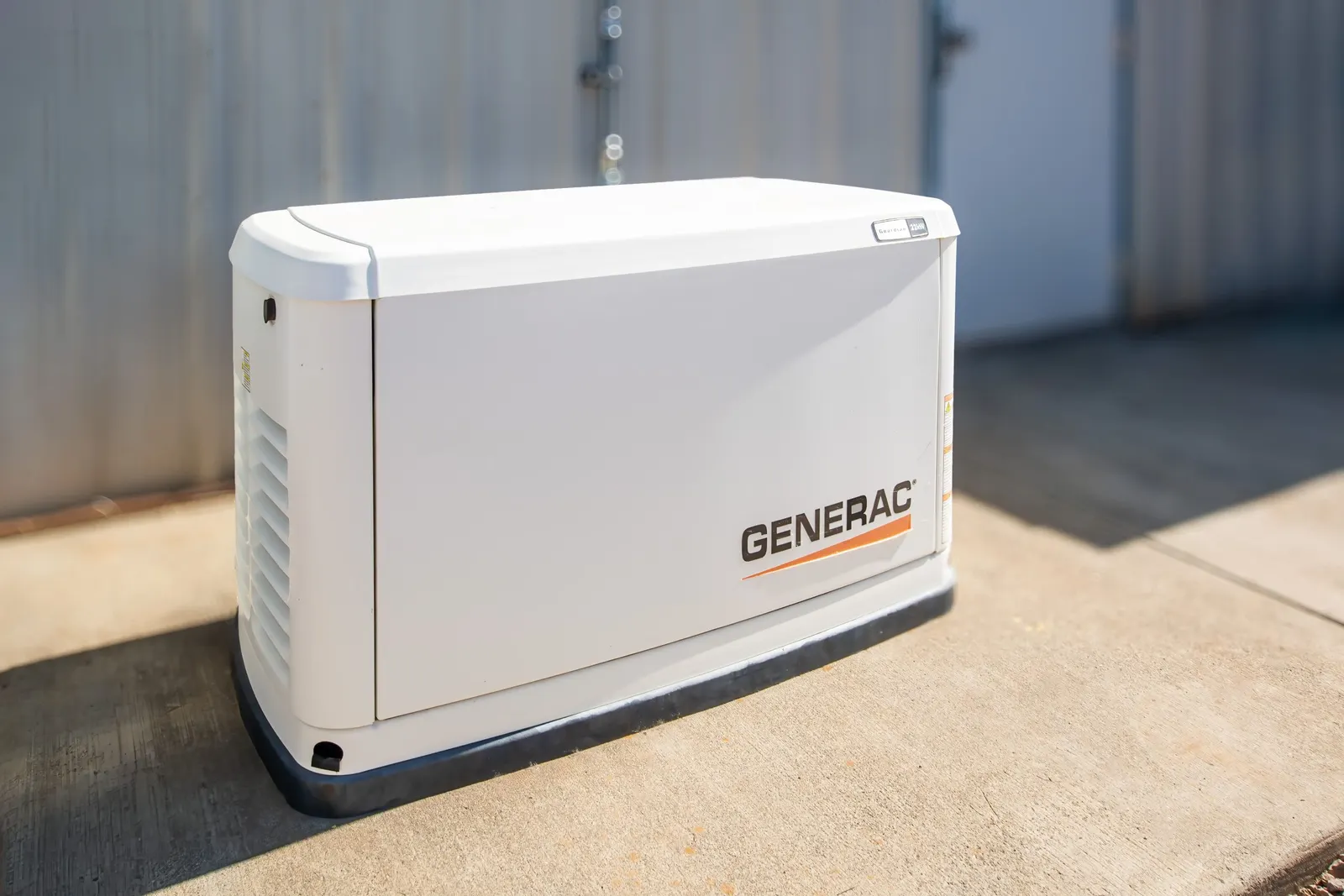
5. Prepare for Power Outages
Creating a Cooling Backup Plan
Install a whole-house generator
Use battery backup fans if needed
Provide cool mats or frozen water bottles for pets
Never leave pets unattended for long periods in summer
Be Prepared for Fire Season
If you’re leaving town during peak wildfire season, make arrangements for a pet sitter or trusted friend to check on your HVAC system and indoor air quality regularly.
6. Keep Your HVAC System Pet-Friendly
Unique HVAC Needs in Pet Households
Pet hair and dander clog filters faster
Fur can coat coils and affect drainage
Curious or scratch-prone pets can damage low vents
Maintenance Frequency for Homes With Pets
For homes with multiple pets or heavy shedders, we often recommend quarterly maintenance instead of annual. Pet hair buildup reduces energy efficiency long before filters appear visibly dirty. Let our pros create a service plan that fits your needs.
7. When to Call the Pros
Signs It’s Time to Schedule HVAC Service
Uneven cooling or warm spots where pets rest
Frequent HVAC cycling or longer run times
Unexplained humidity or damp smells
Visible pet hair in return vents
Poor air quality after smoke events
If you notice any of these issues, or just want peace of mind for the season, schedule a visit today. Our team will make sure your HVAC system is ready to support your whole family, furry friends included.
Comfort for All Family Members, Including the Furry Ones
At Jonas Energy Solutions, we know pets are part of the family, and keeping them safe through the summer is about more than just running the AC. It’s about planning ahead, maintaining air quality, and ensuring systems are up to the challenge of California’s modern climate. That’s why our air conditioning services include full inspections, airflow optimization, and filter recommendations with pet households in mind.
If you’d like expert help to make sure your HVAC system is ready to support your whole family, including the four-legged members, schedule a service today or send us a message. Our experienced team is always happy to provide personalized advice for pet owners. Let us help you keep everyone cool, safe, and comfortable this summer.