When it comes to keeping your home or business comfortable year-round, HVAC systems play a crucial role. These systems ensure that your environment is heated during the colder months and cool when the temperature rises. However, choosing the right HVAC service provider is key to maximizing efficiency, cutting down on costs, and ensuring your system’s longevity.
Whether you need HVAC repairs, installation, or routine maintenance, finding reliable HVAC services near you is critical. In this guide, we’ll break down everything you need to know about HVAC systems, from how they work to choosing the right contractor and maintaining your system for optimal performance.
What Is HVAC?
HVAC stands for Heating, Ventilation, and Air Conditioning. These systems control the indoor environment, providing comfort through temperature regulation and air quality control.
- Heating: Most HVAC systems include a furnace or heat pump, which warms the air and distributes it throughout the building via ducts or piping.
- Ventilation: This part of the system ensures fresh air circulation by removing stale air and introducing outside air, controlling indoor air quality and humidity.
- Air Conditioning: The cooling function of HVAC systems reduces indoor temperatures and humidity, ensuring comfort during warmer months.
Proper HVAC maintenance and selection are key to avoiding discomfort or energy inefficiency.
Types of HVAC Systems
There are several types of HVAC systems, each suited to different needs. Choosing the right one depends on your home’s size, budget, and energy efficiency goals.
- Split Systems: The most common HVAC systems. These have separate units for heating (usually a furnace) and cooling (air conditioner).
- Hybrid Systems: Hybrid systems combine a heat pump with a gas furnace for more energy efficiency in certain climates. The system can switch between the two for optimal savings.
- Ductless Systems: Ideal for homes without ductwork, ductless systems use individual wall-mounted units to cool or heat specific rooms. These are more energy-efficient for smaller areas.
- Packaged Systems: In packaged systems, all HVAC components are housed in one unit, typically installed outside the building. They are commonly used in commercial properties or smaller homes.
Each system has its pros and cons depending on energy consumption, upfront cost, and maintenance requirements. For example, a ductless system might be more expensive upfront but offers higher energy savings in the long run.
How to Choose the Right HVAC Contractor
Hiring the right contractor for your HVAC needs is crucial to avoid costly mistakes and ensure a long-lasting system. Here are some key factors to consider:
- Certifications & Licensing: Ensure your HVAC contractor has the proper certifications, such as NATE (North American Technician Excellence) or EPA 608, which certifies they can handle refrigerants safely.
- Experience & Reputation: Look for contractors with years of experience and a strong reputation in your community. Reading reviews on Yelp, Angi, and Google can provide valuable insights.
- Service Guarantees: Does the contractor offer warranties on parts and labor? Reputable companies will stand behind their work and provide guarantees for both repairs and new installations.
- Transparency & Estimates: Reliable HVAC contractors should provide clear, detailed estimates and be willing to explain any charges. Avoid companies that give vague or inflated quotes.
HVAC Maintenance Tips
Regular maintenance of your HVAC system is critical to ensure efficiency and longevity. Here are some essential tips to help you take care of your system:
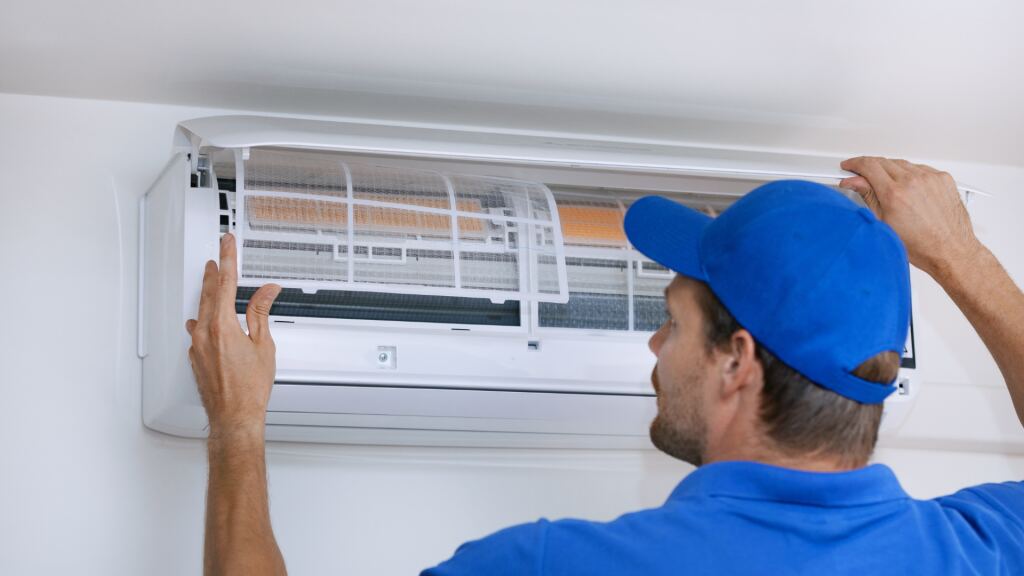
- Replace Filters Regularly: Dirty filters reduce airflow and strain the system, leading to higher energy consumption. Replace filters every 1-3 months, depending on usage.
- Clean the Coils: The evaporator and condenser coils collect dirt over time, reducing their ability to absorb heat. Regular cleaning keeps your system working efficiently.
- Check the Thermostat: Ensure that your thermostat is working correctly and programmed for optimal energy savings. Consider upgrading to a programmable thermostat for better control.
- Inspect Ductwork: Leaks in ductwork can significantly impact your system’s efficiency. Have your ducts inspected for holes, gaps, or debris buildup.
The Benefits of Energy-Efficient HVAC Systems
Investing in an energy-efficient HVAC system has several long-term benefits:
- Cost Savings: Modern energy-efficient systems can lower your monthly utility bills. Systems with Energy Star certification use up to 20% less energy than conventional models.
- Environmental Impact: By reducing energy consumption, energy-efficient HVAC systems help reduce your carbon footprint, contributing to environmental sustainability.
- Increased Comfort: Energy-efficient systems regulate temperatures more consistently and improve overall indoor air quality.
- Incentives & Rebates: Many states and local governments offer tax credits or rebates for installing energy-efficient HVAC systems. Make sure to research available programs in your area.
Common HVAC Problems and Solutions
Many common HVAC problems can be prevented with proper maintenance. Here are a few issues to watch out for:
- Thermostat Malfunctions: If your system isn’t cooling or heating as it should, the thermostat might be miscalibrated. Try replacing the batteries or upgrading to a programmable model.
- Refrigerant Leaks: Low refrigerant levels reduce your system’s ability to cool. This problem requires a professional to check for leaks and recharge the refrigerant.
- Blocked Drains: HVAC systems remove moisture from the air, which must be drained away. Blocked drain lines can cause water damage, so regular checks are necessary.
- Dirty Filters or Coils: These issues cause reduced airflow and can even lead to system breakdowns. Regular cleaning and filter replacement are critical.
If your HVAC system isn’t working correctly, it’s always best to call a professional to diagnose and fix the problem.
Why Choose Jonas Energy for Your HVAC Needs
At Jonas Energy, we understand the importance of a reliable HVAC system. Whether you’re in need of repairs, installation, or routine maintenance, our team of certified professionals is here to help.
- 24/7 Emergency Services: We know that HVAC problems don’t always happen during business hours. That’s why we offer emergency repair services, ensuring you’re never left in the cold (or heat).
- Customer Satisfaction: With years of experience and a focus on customer satisfaction, Jonas Energy is the trusted choice for HVAC services in your area.
- Energy-Efficient Solutions: We specialize in installing energy-efficient HVAC systems that save you money while keeping your home comfortable.
- Local Expertise: As a locally-owned business, we understand the specific HVAC needs of homes and businesses in the region. Our team is always nearby and ready to assist.
FAQs
What does HVAC include? HVAC stands for Heating, Ventilation, and Air Conditioning. It includes systems that regulate temperature and air quality in your home or business.
How much does HVAC service cost? The cost depends on the type of service needed, whether it’s installation, repair, or maintenance. Contact Jonas Energy for a personalized estimate.
How often should HVAC systems be serviced? It’s recommended to have your HVAC system serviced twice a year, typically before the summer and winter seasons.
Conclusion:
When it comes to HVAC services, choosing the right contractor is crucial for ensuring efficiency, longevity, and cost savings. Jonas Energy offers top-notch services tailored to your needs, with a focus on energy-efficient solutions and customer satisfaction. Ready to get started? Contact us today to schedule your consultation and keep your home or business comfortable year-round.