When the temperatures drop in Hidden Valley Lake, the last thing you want is for your furnace to break down. Unfortunately, many homeowners face this issue each winter, often due to overlooked maintenance or small problems that snowball into larger, costly repairs. To avoid these headaches and stay warm throughout the season, proactive care of your furnace is essential.
In this guide, we’ll explore key tips to prevent furnace breakdowns, helping you ensure your heating system operates efficiently all winter.
1. Schedule Regular Furnace Maintenance
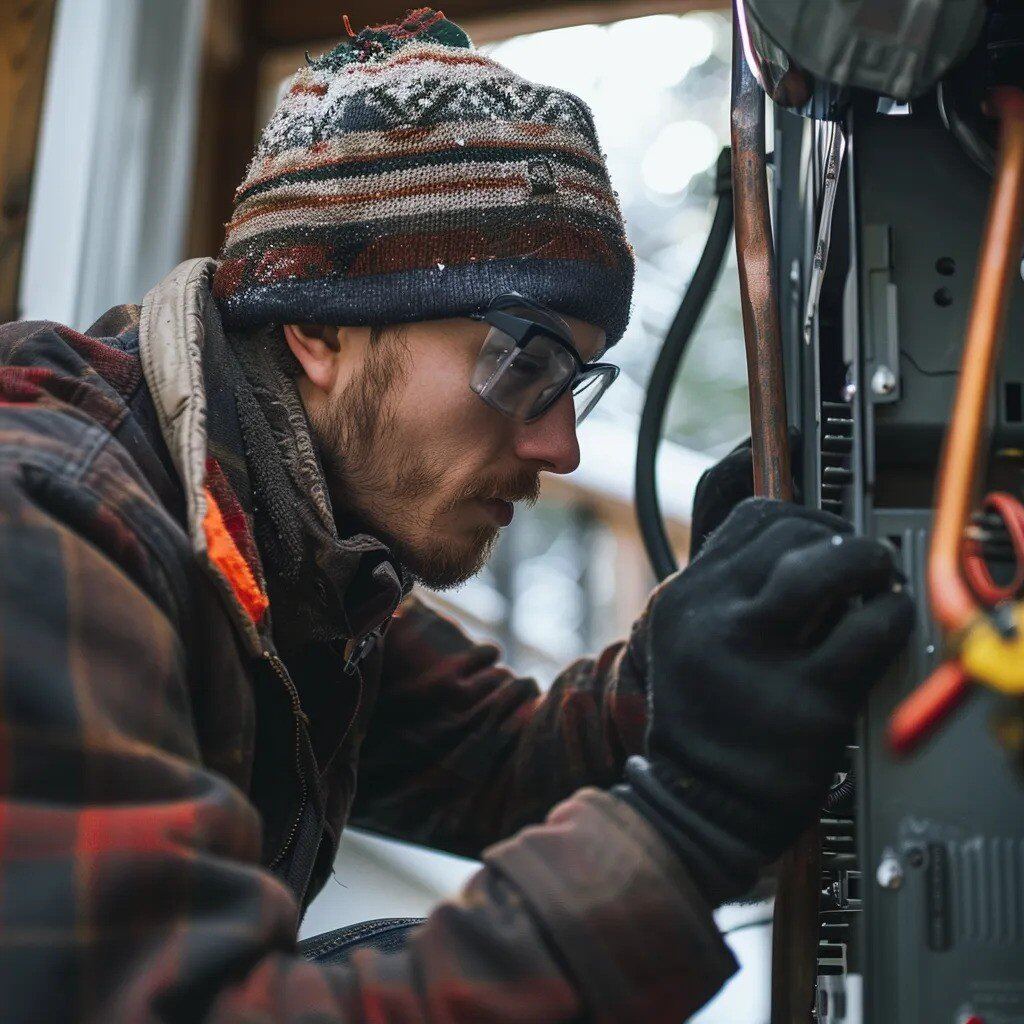
Routine professional maintenance is the most effective way to prevent breakdowns. A certified HVAC technician can perform a thorough inspection and tune-up, ensuring your system is ready for the cold. Regular servicing helps identify minor issues before they turn into major malfunctions.
During an inspection, technicians typically:
- Clean the internal components
- Check for any gas or carbon monoxide leaks
- Replace air filters
- Lubricate moving parts
- Test the thermostat’s accuracy
Pro Tip: Aim to schedule maintenance at least once a year. Ideally in the fall, before heavy furnace use begins. For residents in Hidden Valley Lake, consider reaching out to local HVAC professionals for timely service.
2. Replace Air Filters Regularly
A clogged air filter can reduce airflow, making your furnace work harder than necessary. Over time, this strain can lead to overheating and component failure. Depending on your furnace model and usage, filters should be replaced every 1-3 months.
Why It Matters:
- Improves Efficiency: Clean filters ensure optimal airflow, improving your system’s efficiency.
- Extends Furnace Lifespan: Reduced strain on your furnace prolongs its overall lifespan, reducing the need for costly repairs or replacements.
Make it a habit to check your filters regularly, especially during peak winter months. You can find air filters at most local hardware stores in Hidden Valley Lake.
3. Keep Vents Clear
Blocked or closed vents restrict airflow, leading to overheating and potential system shutdowns. Take a walk around your home and ensure all supply and return vents are open and unobstructed by furniture, curtains, or other items.
Pro Tip: Don’t close off rooms to “save energy.” Modern HVAC systems are designed to heat the entire home. Closing vents can cause pressure imbalances and force your furnace to work harder, increasing the risk of breakdowns.
4. Watch for Warning Signs
Catching early warning signs can prevent complete system failures. Some common indicators that your furnace may need attention include:
- Unusual Noises: Grinding, rattling, or squealing sounds can indicate loose components or motor issues.
- Weak Airflow: If air isn’t circulating properly, it could be due to a blower motor issue or duct obstruction.
- Frequent Cycling: If your furnace turns on and off more frequently than usual, it might be short cycling, often due to thermostat problems or overheating.
- Increasing Energy Bills: A sudden spike in heating costs can indicate your system is working inefficiently, often due to underlying mechanical issues.
If you notice any of these signs, it’s crucial to contact an HVAC professional promptly to avoid a breakdown during a cold spell.
5. Test Your Thermostat
Your furnace’s efficiency is directly impacted by the accuracy of your thermostat. A malfunctioning thermostat can lead to incorrect temperature readings, causing your furnace to overheat or underperform.
To test your thermostat:
- Ensure the setting is on “heat” mode and that the set temperature is higher than the current room temperature.
- If the furnace doesn’t kick on within a few minutes, there may be an issue with the thermostat or furnace itself.
Consider upgrading to a programmable or smart thermostat to improve efficiency and avoid unnecessary strain on your system. These devices allow you to set heating schedules that align with your daily routine, reducing wear and tear.
6. Check for Air Leaks
Air leaks in your home, particularly around windows, doors, and ducts, force your furnace to work harder to maintain a comfortable temperature. Inspect these areas for drafts and seal any leaks with weatherstripping or caulk.
Why It’s Important:
- Reduces Energy Consumption: Sealing leaks improves energy efficiency, reducing your heating bills.
- Prevents Overworking Your Furnace: With fewer leaks, your furnace can maintain temperatures more easily, reducing strain.
7. Keep the Area Around Your Furnace Clean
Ensure that the space around your furnace is free from debris, dust, or flammable materials. A clean area not only prevents fire hazards but also allows your furnace to operate more efficiently by ensuring proper airflow.
Pro Tip: For homes in Hidden Valley Lake, where space may be limited, make sure storage items are at least three feet away from the furnace to avoid obstruction.
8. Invest in a Backup Heating Source
Even with proper maintenance, it’s wise to have a backup heating source on hand in case of emergencies, particularly during extreme cold spells. Space heaters or electric blankets can provide temporary warmth while you wait for furnace repairs. However, always use these devices safely and never leave them unattended.
Stay Warm and Worry-Free with Proactive Furnace Care
Preventing furnace breakdowns in Hidden Valley Lake during the winter is all about proactive care and regular maintenance. By following these tips and addressing any issues early, you can avoid the inconvenience and cost of emergency repairs, ensuring your home remains warm and comfortable throughout the coldest months.
For professional HVAC services, contact Jonas Energy today and schedule your furnace maintenance before the winter chill sets in.