Winter mornings in Lake County arrive with a chill that makes a reliable heating system essential. But what happens when your system runs constantly yet your home never feels quite warm enough? Or when your energy bills climb higher each month, even though you haven’t changed your thermostat settings?
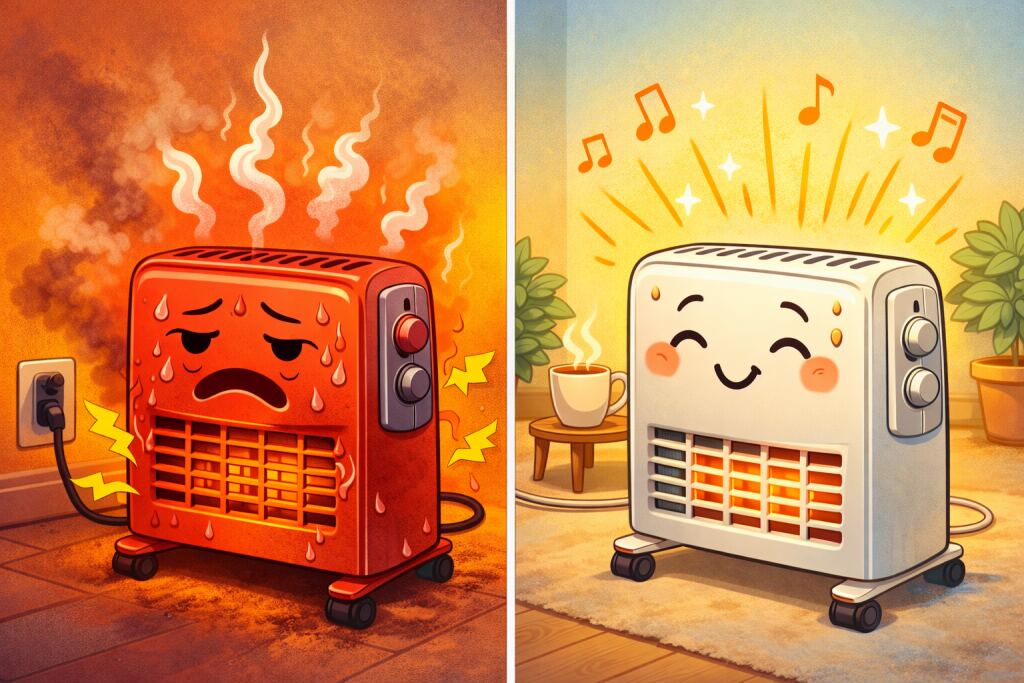
These are signs your heating system may be working harder than it should. Inefficiency doesn’t just cost you money; it puts unnecessary strain on equipment and increases the risk of a breakdown when you need heat most. Recognizing the warning signs early gives you time to make adjustments, schedule preventive service, and avoid emergency calls during the coldest weeks of the year.
Common Signs Your Heating System Is Wasting Energy
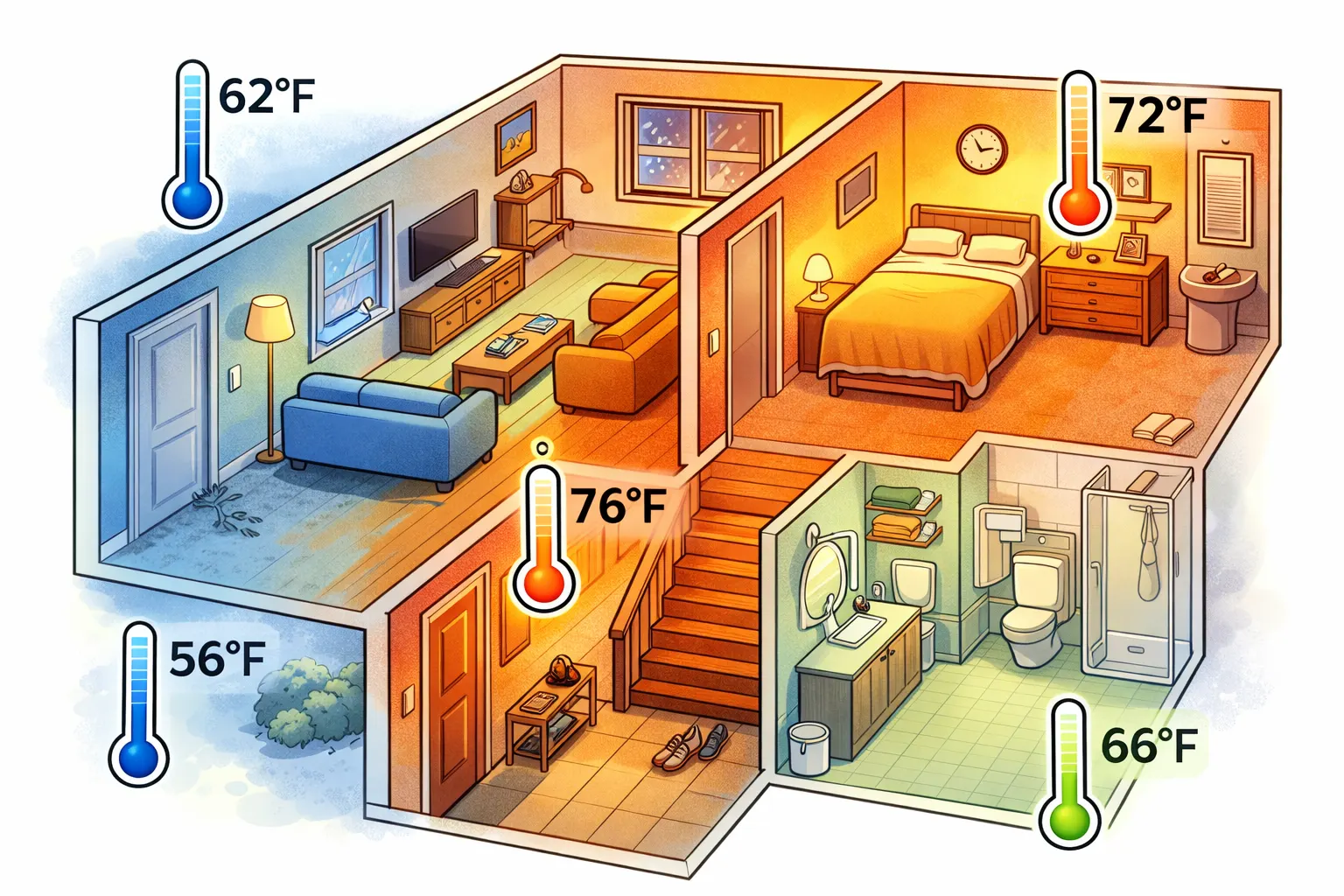
Most homeowners assume their heating system is fine as long as it produces some warmth. But subtle inefficiencies often go unnoticed until they become expensive problems. Here are the most common indicators that your system is using more energy than necessary.
Uneven Heating Throughout Your Home
When one room stays cold while another gets uncomfortably warm, your system is not distributing heat properly. This often happens when air ducts develop leaks, filters become clogged, or dampers are improperly adjusted. In homes with ductless mini-split systems, uneven heating can result from incorrect zone settings or refrigerant issues.
Uneven heating forces your system to run longer cycles to compensate for cold spots. That extra runtime translates directly into higher energy costs. If you notice temperature differences of more than a few degrees between rooms, it’s time to investigate.
Your System Cycles On and Off Too Frequently
Short cycling is one of the clearest signs of inefficiency. A properly functioning heating system should run for several minutes before shutting off. If your furnace or heat pump turns on and off every few minutes, it’s struggling to maintain temperature.
This behavior often stems from a thermostat issue, oversized equipment, or a malfunctioning component like a limit switch. Short cycling wastes energy because starting up uses more power than steady operation. It also accelerates wear on parts, shortening the lifespan of your system.
Rising Energy Bills Without Increased Use
If your heating bills climb steadily but your usage habits haven’t changed, your system is losing efficiency. Aging equipment naturally becomes less efficient over time, but sudden spikes usually point to a specific problem.
Dirty filters, worn blower motors, or failing heat exchangers all force your system to consume more energy to produce the same amount of heat. Comparing bills from the same month in previous years can help you identify trends and catch problems early.
Strange Noises Coming from Your Heating System
Banging, rattling, or screeching sounds indicate mechanical issues that affect efficiency. Loose components, worn bearings, or debris in the blower can all create noise while reducing airflow and heating performance.
Ignoring unusual sounds often leads to bigger repairs. A minor issue like a loose fan blade can quickly escalate into a damaged motor if left unaddressed.
Weak Airflow from Vents
If air barely moves through your vents, your system is working against an obstruction. Clogged filters are the most common culprit, but duct leaks, blocked return vents, or failing blower motors can also restrict airflow.
Reduced airflow means your system takes longer to heat your home, running more often and using more energy. It also creates pressure imbalances that can damage ductwork or force warm air into attics or crawl spaces instead of living areas.
What Causes Heating Systems to Waste Energy
Understanding why systems lose efficiency helps you take preventive action. Most energy waste comes from neglect, age, or improper installation.
Dirty or Clogged Air Filters
A dirty filter blocks airflow, forcing your blower to work harder. This increases energy consumption and reduces the amount of heat delivered to your home. Filters should be checked monthly during heating season and replaced when they appear gray or clogged.
Leaky or Poorly Insulated Ductwork
Ducts that run through attics, crawl spaces, or garages can lose significant amounts of heat if they’re not properly sealed and insulated. Leaks allow warm air to escape before it reaches living spaces, forcing your system to run longer cycles.
Sealing ducts with mastic or metal tape and adding insulation can recover lost efficiency. Professional duct testing identifies leaks that aren’t visible from the outside.
Aging Equipment
Heating systems typically last 15 to 20 years with proper maintenance. As components age, efficiency declines. Older furnaces and heat pumps often operate at 60 to 70 percent of their original efficiency, meaning they use more fuel or electricity to produce the same heat.
If your system is more than 15 years old and your energy bills are climbing, replacement may be more cost-effective than repeated repairs.
Thermostat Problems
A malfunctioning thermostat can cause your system to overheat your home, run unnecessary cycles, or fail to respond to temperature changes. Older mechanical thermostats lose accuracy over time. Upgrading to a programmable or smart thermostat improves comfort and reduces energy waste.
Lack of Routine Maintenance
Skipping annual tune-ups is one of the most common reasons systems lose efficiency. During maintenance visits, technicians clean components, check refrigerant levels, test safety controls, and identify small issues before they become expensive problems.
Regular maintenance keeps systems running at peak efficiency and extends their lifespan. Homeowners who skip maintenance often face higher energy bills and more frequent breakdowns.
What You Can Do to Improve Efficiency
You don’t have to wait for a technician to start improving your system’s performance. Several steps can be taken immediately to reduce energy waste.
Replace Your Air Filter
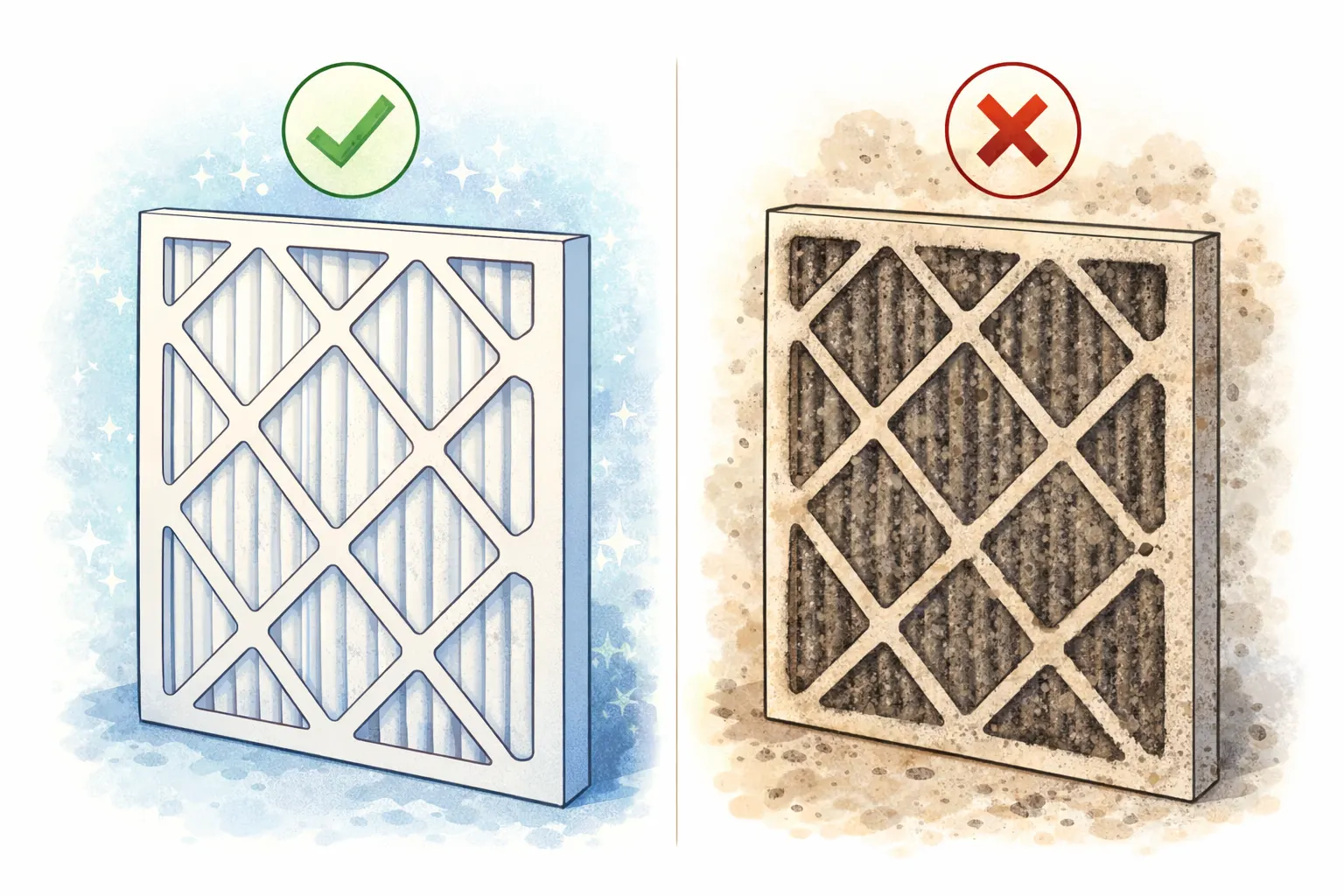
Check your filter monthly and replace it when it looks dirty. This simple step improves airflow, reduces strain on your blower, and helps your system heat more efficiently.
Clear Vents and Returns
Make sure furniture, curtains, or rugs aren’t blocking supply vents or return grilles. Obstructed vents create pressure imbalances that force your system to work harder.
Seal Air Leaks Around Windows and Doors
Drafts around windows, doors, and electrical outlets allow warm air to escape. Weatherstripping and caulk are inexpensive fixes that can reduce heating costs by keeping conditioned air inside.
Adjust Your Thermostat Settings
Lowering your thermostat by a few degrees when you’re away or asleep can reduce energy use without sacrificing comfort. Programmable thermostats make it easy to automate temperature changes based on your schedule.
Schedule a Professional Tune-Up
Annual maintenance is the most effective way to keep your system running efficiently. A qualified technician will clean components, test controls, check for leaks, and make adjustments that improve performance.
At Jonas Energy Solutions, our maintenance visits include a thorough inspection of your entire heating system. We identify inefficiencies, recommend solutions, and help you avoid unexpected breakdowns.
When to Consider Heating System Replacement
Sometimes repairs aren’t enough. If your system is more than 15 years old, requires frequent fixes, or struggles to keep your home comfortable, replacement may be the better investment.
Newer systems operate at much higher efficiency levels than equipment installed a decade or more ago. Upgrading to a high-efficiency furnace or heat pump can cut your heating costs by 30 to 40 percent while improving comfort and reliability.
Heat pumps are especially well-suited for Lake County’s mild winters. They provide efficient heating and cooling in a single system, making them a cost-effective choice for year-round comfort.
Take Action Before Winter Hits Hard
Energy waste doesn’t fix itself. The longer you wait to address inefficiency, the higher your bills climb and the greater your risk of a breakdown. Small problems caught early are easier and less expensive to fix than emergency repairs on the coldest night of the year.
If you’ve noticed any of the warning signs covered in this article, don’t wait until your system fails. Contact Jonas Energy Solutions to schedule a heating system tune-up or consultation. Our team will assess your system’s performance, recommend the most cost-effective solutions, and help you stay warm all winter without overpaying for energy.
Call Jonas Energy Solutions today or contact us to schedule service. We’ve been serving Lake County homeowners for generations, and we’re here to help you get the most from your heating system.