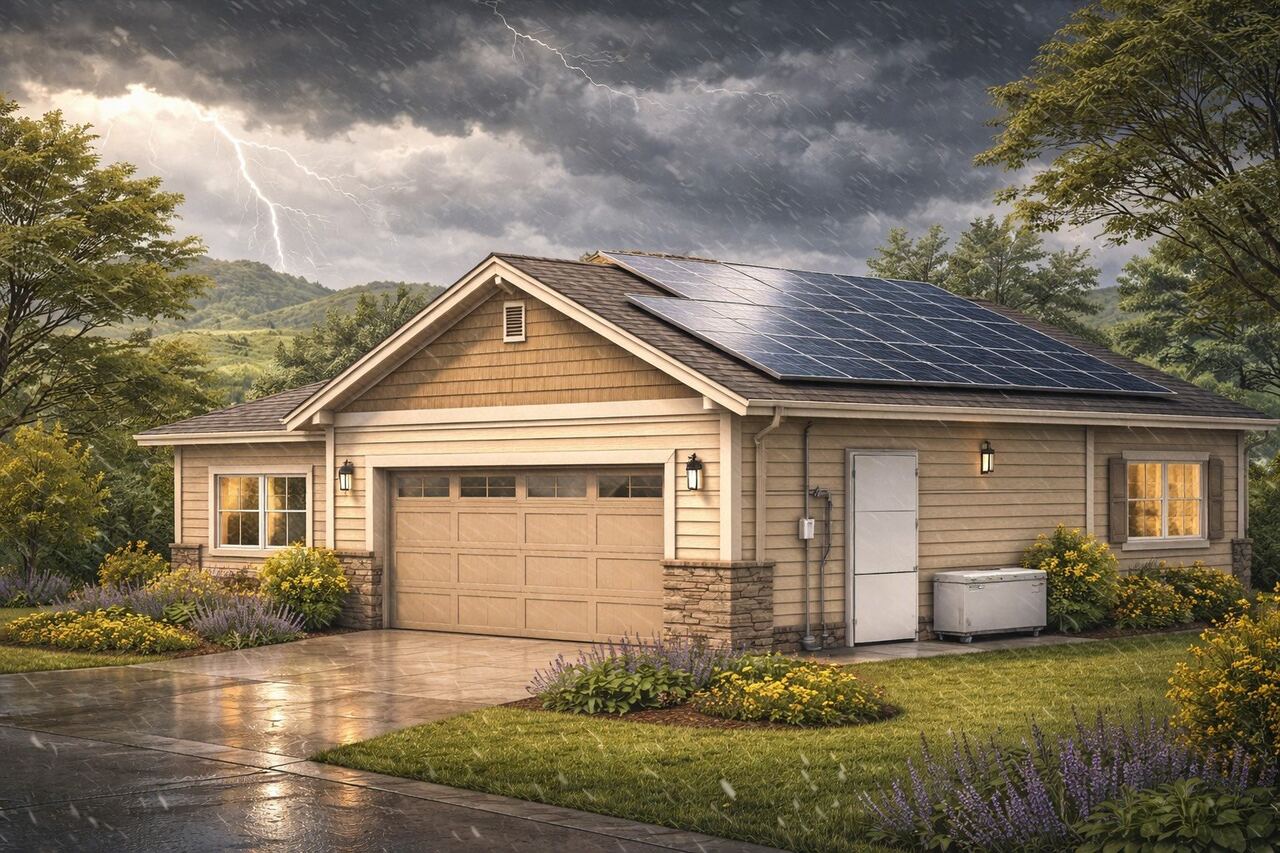
April and May in Lake County can feel unpredictable. You might wake up to a calm morning in Lakeport, then get hit with gusty winds, heavy rain, or hail by the afternoon. That kind of rapid change can be rough on the parts of your home that keep you comfortable and powered, including solar panels, HVAC equipment, electrical components, and backup power systems.
Storm preparedness is not only about flashlights and bottled water. For many homes, the bigger risk is damage to energy systems that are expensive to repair, slow to replace, and essential for day-to-day life. A single surge can shorten the life of a heat pump control board. Wind-driven debris can loosen solar mounting hardware. And a generator that “usually starts” can fail the first time you actually need it.
The goal is simple: reduce the chance of breakdowns and limit the impact if the grid goes down. A few proactive checks now can help you avoid emergency calls later, especially during peak storm days when service schedules fill up fast.
Protecting solar panels from hail, wind, and debris
Solar systems are built for outdoor conditions, but storms can still create problems that do not show up until production drops or a leak appears.
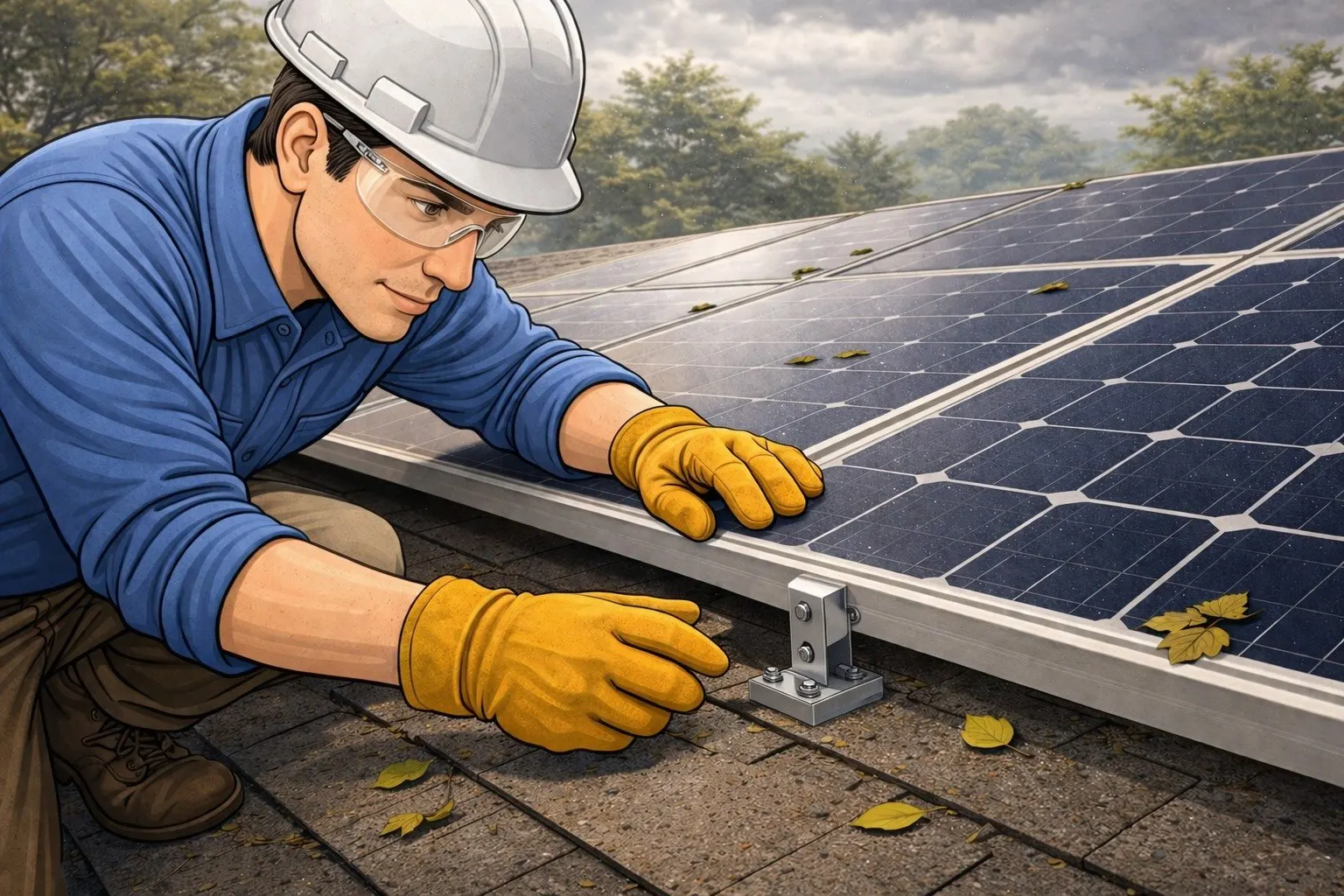
Inspect mounting, racking, and roof penetrations
Start with what holds the system in place. If you can safely see your array from the ground, look for anything that seems “off,” like a panel corner that sits higher than the rest, a rail that looks slightly shifted, or hardware that appears loose.
If your system is roof-mounted, pay attention to the areas where the racking attaches to the roof. Those penetrations should be watertight. Spring storms can exploit small weaknesses, especially after months of winter weather.
Keep panels clear without damaging them
Debris is a common issue after high winds. Leaves, pine needles, and small branches can reduce production and trap moisture along the edges of panels.
If you clean panels, avoid abrasive tools. Use soft equipment and safe methods, and never spray cold water on hot glass in the middle of a sunny afternoon. If there is visible cracking, significant scratching, or you suspect hail impact, it is safer to stop and schedule a professional inspection.
Know when to call for professional service
If you notice a sudden dip in solar output, a monitoring alert, or any sign of roof leaking near the array, it is time to get help. Visit Jonas Energy Solutions and get in touch with us to schedule a system check.
Preparing backup power for outages and blackouts
Lake County outages can happen from wind, fallen trees, or broader grid issues. Backup power is only helpful if it works on demand and if your home is set up to use it safely.
Test run and basic maintenance
If you have a generator, do not wait for an outage to find out it needs attention. Run it under load if possible. Listen for rough starts, unusual vibration, or inconsistent power output.
For battery backup systems, confirm the system is charging properly and that the app or monitoring screen reports normal status. If your battery system is paired with solar, verify you understand how it behaves during grid outages, since some configurations require specific hardware or settings to operate in “island mode.”
Fuel, batteries, and safe ventilation
Fuel goes stale. Batteries age. Vents clog. These are basic issues that cause real failures.
Make sure you have the right type and amount of fuel stored safely. If your generator uses a starting battery, check it like you would a car battery. And if your generator is portable, never run it in a garage or near open windows. Carbon monoxide risk rises fast, even when the generator is “just outside.”
Load planning so essentials stay powered
Backup power works best when you know what you are trying to run. Heating and cooling can be high demand, so it is worth having a plan for what is essential, what can wait, and what should never be plugged into a small system.
Use a conservative approach. If you are unsure whether your generator or battery can support HVAC equipment, ask a professional to help you size and configure a safe setup.
Making sure HVAC can handle temperature swings
Spring in Lake County can swing from chilly mornings to warm afternoons, and that can push HVAC systems to cycle more often than usual. Systems that are already stressed can tip into failure on the first truly hot or humid day.
Replace filters and check airflow
Airflow is the foundation of HVAC performance. If your filter is clogged, your system works harder, runs longer, and risks overheating.
Replace filters on schedule and keep vents clear. If you have rooms that never seem to get comfortable, that can be a sign of duct issues, dirty coils, or a blower problem that should be addressed before the weather gets more extreme.
Thermostat settings and comfort tips
If temperatures swing, avoid aggressive thermostat changes that cause the system to ramp up repeatedly. A stable setpoint can reduce wear. If you have a heat pump, make sure the thermostat is configured correctly for your equipment so it is not relying on inefficient backup heat unnecessarily.
Spot early warning signs before failure
Pay attention to:
- Unusual noises like buzzing, rattling, or clicking
- Short cycling, where the system starts and stops frequently
- Weak airflow or uneven cooling and heating
- Burning or “electrical” smells
If any of these show up, schedule service before it becomes an emergency.
Whole-home surge protection and electrical safety
Surges are not only caused by lightning striking your house. Storm-related surges often come from the grid itself, when power lines are damaged, transformers fail, or electricity is restored after an outage.
Why storms cause surges even without a direct strike
When the grid drops and returns, voltage can spike. Those spikes can stress sensitive electronics throughout the home, including modern HVAC boards, solar inverters, smart thermostats, and charging equipment.
Protecting inverters, control boards, and sensitive electronics
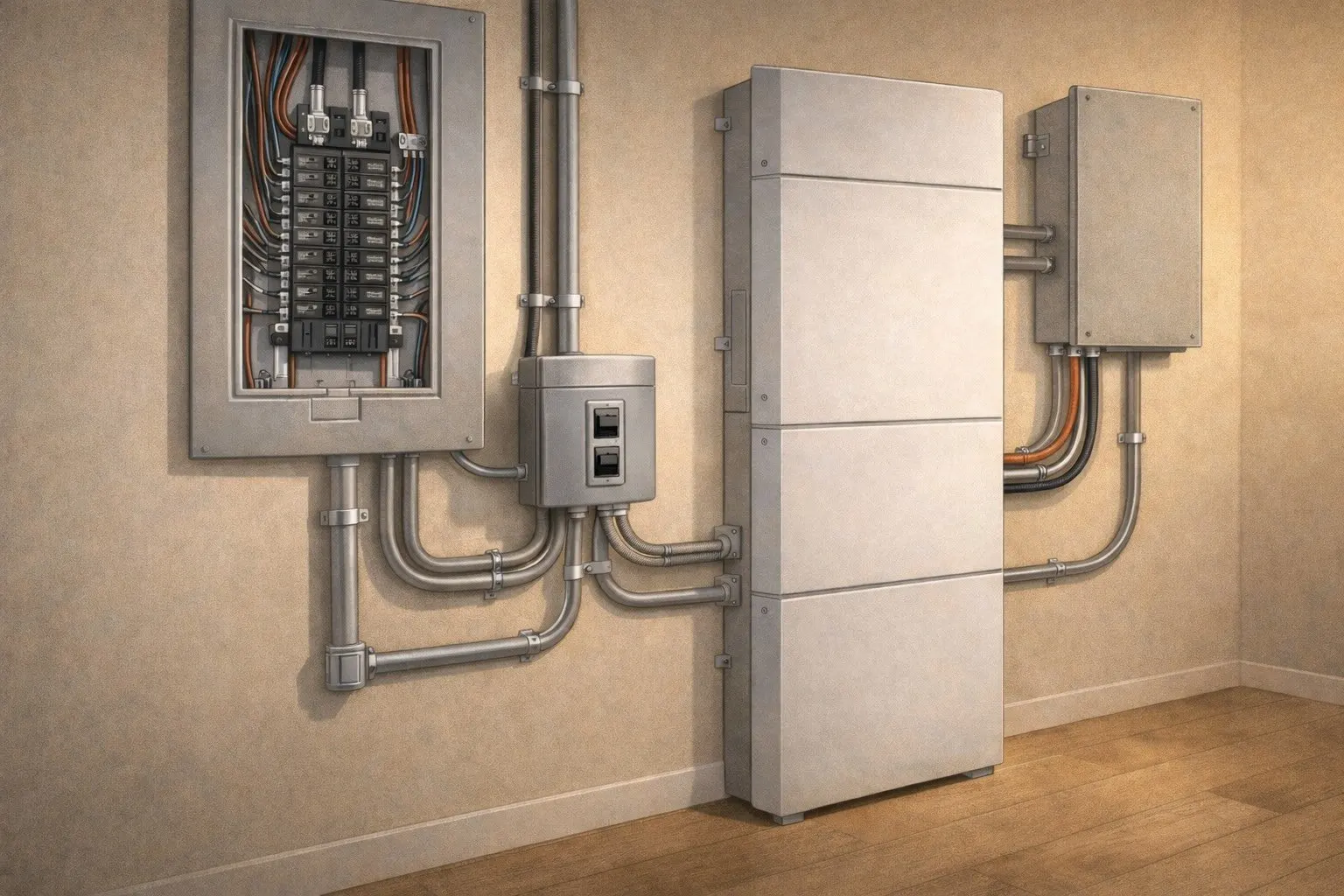
Whole-home surge protection helps reduce risk at the panel level, and point-of-use protection can add another layer for specific devices.
If you invested in solar or backup power, protecting the electrical side of the system is part of protecting the value of the entire installation. A single failed component can be costly, and replacements can take time depending on availability.
When an electrical inspection makes sense
If you have frequent flickers, breakers that trip without a clear reason, or you recently added new equipment like a battery backup system, an electrical inspection is a smart preventive step. It is also worth checking grounding and bonding, which play a major role in surge behavior and overall safety.
Your storm preparedness checklist and next steps
The best storm preparedness plan is the one you can actually follow. Use this simple checklist the week before a likely storm.
- Check solar monitoring and visually inspect the array from the ground
- Replace HVAC filters and clear vents
- Test backup power systems and confirm fuel or charging status
- Confirm your main panel has surge protection, or schedule an evaluation
When you are ready to take the next step, contact Jonas Energy Solutions to schedule a home energy system checkup for your solar, HVAC, backup power, and electrical protection needs or give us a call at 707-994-5911.