
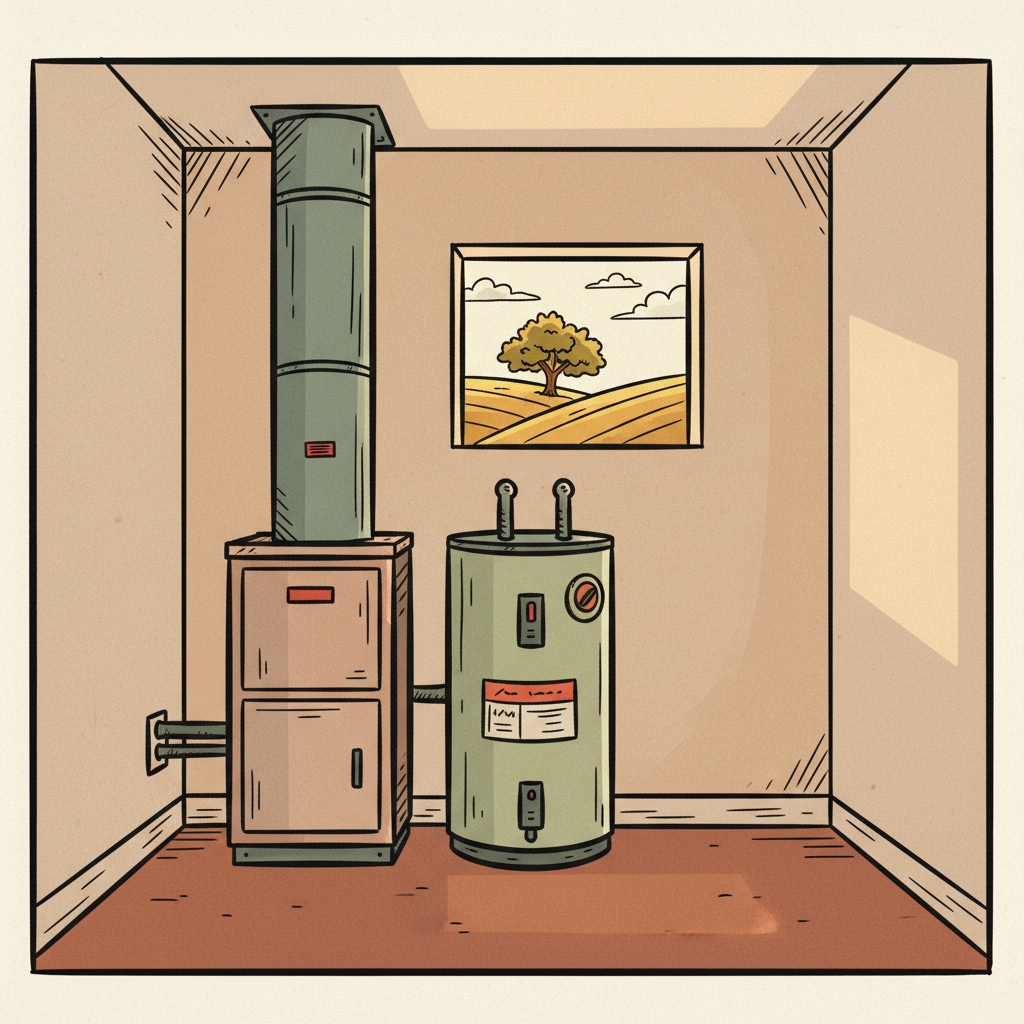
That burnt smell stops you mid-step. For homeowners in Lake County and El Dorado County, where older housing stock and propane systems are common, knowing whether to wait it out or call for help right away can make a real difference in safety and comfort. Most furnace burning smells fall into one of three categories, and two of them you can assess yourself in under ten minutes.
Know the Difference Between a Harmless Smell and a Dangerous One
Not all burnt smells from a furnace are equal. A dry, dusty odor during first use is usually harmless. A sulfur or rotten-egg smell signals a possible gas leak and requires you to leave the home immediately. Smoke, sparks, or a plastic-burning smell mean shut the system off at the breaker and call a licensed heating service in Lake County and El Dorado County before running it again.
Rotten Egg or Sulfur Odor Means Leave Now
This one is not a wait-and-see situation. If you smell rotten eggs or sulfur near your furnace, that is a natural gas or propane leak, not a burning odor. Leave the home immediately. Call your gas utility or 911 from outside, and do not flip any light switches or use your phone indoors on the way out.
Smoke, Sparks, or Melted Plastic Require Immediate Shutdown
Visible smoke, sparks, or a sharp plastic-burning odor coming from the furnace cabinet or vents is a different category of concern entirely. Turn the system off at the thermostat, then cut power at the breaker before doing anything else. These are signs of a component failure, not seasonal dust, and they need a professional diagnosis before the system runs again.
Cause 1: Seasonal Dust Burning Off the Heat Exchanger
When a furnace sits unused through summer, dust settles on the heat exchanger and burners. The first time it fires up in fall, that dust burns off and produces a temporary dry, smoky odor. This is normal and typically clears within one to three hours of operation with a window or two cracked open.
The smell is similar to an oven that has not been used in a while. Dry. Slightly dusty. Not sharp or chemical. It drifts through the vents for a bit and then fades.
- Confirm the smell started with the very first heater use of the season.
- Crack a window or two for 15 to 30 minutes to help clear the air.
- Check for visible dust buildup on supply vents and around the furnace cabinet.
- Make sure the air filter is clean before running the system again.
- If the odor fades within a few hours and does not return, no further action is needed.
- Call a pro if the burnt smell lasts more than a few hours, returns every time the heater cycles on, or if you notice any smoke, soot, or discoloration near the vents.
Cause 2: A Dirty or Clogged Air Filter Causing the Furnace to Overheat
How a Blocked Filter Creates a Burning Smell
 A clogged filter is one of the most common causes of a burnt smell from your furnace.
A clogged filter blocks airflow to the furnace, which causes internal parts to run hotter than they should. The trapped dust, pet hair, and debris can start to scorch, creating a persistent furnace burning smell every time the system runs. Restricted airflow can also shorten the life of your blower motor and heat exchanger, which are among the more expensive components to replace.
In foothill homes around Placerville, Kelseyville, and Middletown, filters tend to load up faster than average. Wildfire smoke, dust from unpaved roads, and dry summer conditions all contribute. A filter that looks fine in a suburban setting may be completely clogged after six weeks in a rural foothill home.
What to Check and When to Replace
Pull the filter out and hold it up to a light source. If little or no light passes through the media, replace it before running the system again. Note the size printed on the filter frame so you buy the correct replacement, and check that the new filter installs with the airflow arrow pointing toward the furnace. For guidance on indoor air quality and filter selection for foothill homes, that page covers what works best in high-dust and wildfire-smoke environments.
Most homes should swap filters every one to three months during heavy use seasons. If the burnt smell continues after installing a fresh filter, or if airflow from the vents still feels weak, the problem likely goes beyond the filter itself.
Cause 3: Overheating Electrical Components or a Failing Blower Motor
What This Smell Actually Indicates
A smell of melting plastic, hot rubber, or electrical burning coming from the furnace points to a component problem. A failing blower motor, worn capacitor, or damaged wiring can all overheat and scorch nearby insulation. This type of odor is a safety concern and should not be ignored even if it seems faint. Turn the system off and call a licensed contractor who handles HVAC repair and inspection services in your area.
Sharp. Chemical. Sometimes described as hot metal or burnt wiring. That is the key distinction from seasonal dust. Dust smells dry and earthy; electrical overheating smells acrid and synthetic. If you are unsure which category your odor falls into, treat it as the more serious one until a technician can confirm otherwise.
Steps to Take Before Calling a Technician
Turn the thermostat off and listen for any grinding, humming, or high-pitched squealing from the furnace. Check the breaker panel for any tripped breakers tied to the HVAC system. Look for warm or discolored spots on the furnace cabinet or nearby walls, and confirm nothing flammable is stored near the unit. If the smell is strong or getting worse, shut the system off at the breaker and leave it off until a technician can assess it.
Warning Signs That Mean You Should Call a Pro Right Away
 A trained technician can safely diagnose burnt odors that come from inside the furnace.
Some burnt smells clear up on their own after the first use of the season. Others signal a real safety concern that gets worse the longer the system runs. Stop running the furnace and reach out to a qualified technician if you notice any of the following.
Older homes in Clearlake, Lakeport, El Dorado Hills, and Pollock Pines often have furnaces that have gone years without a professional inspection. A proactive annual furnace maintenance plan catches worn components, dirty heat exchangers, and airflow problems before they become emergencies, and it gives you a clear picture of what your system actually needs going into winter.
- A burnt odor that lasts more than a few hours or returns with every heating cycle.
- Smells of melting plastic, hot rubber, or electrical burning.
- Visible smoke, soot, sparks, or discoloration around the furnace or vents.
- Breakers that trip when the heater runs.
- Unusual noises such as grinding, banging, or high-pitched squealing.
- Weak airflow or uneven heating even after replacing the filter.
- A furnace that is more than 10 to 15 years old and has never been professionally serviced.
FAQ
Is it normal for a heater to smell burnt when I first turn it on?
Yes, a dry dusty burnt smell during the first use of the season is common and usually fades within a few hours as accumulated dust burns off the heat exchanger. If the smell lingers longer than a day or returns each time the heater runs, have it inspected by a licensed technician.
Can a dirty filter really make my furnace smell burnt?
It can. When a filter is clogged, airflow drops and the furnace works harder, which causes trapped dust and debris to scorch. Replacing the filter often solves the odor, but if the smell persists after installing a fresh filter, the issue likely involves a component or airflow problem that needs professional attention.
How do I tell a burnt smell from a gas leak?
A burnt smell is dry, dusty, or plastic-like and comes from the vents when the heater runs. A gas leak smells like rotten eggs or sulfur and can be present even when the heater is off. If you suspect a gas leak, leave the home immediately and call your gas utility or 911 from outside.
How often should I have my furnace professionally inspected?
Most HVAC professionals recommend a full inspection and tune-up once per year, ideally before the heating season begins. For older systems or homes in high-dust foothill areas, annual service helps catch worn parts and airflow problems before they lead to breakdowns or safety issues.