Most Lake County homes can support a Level 2 EV charger, but professional EV charger installation starts with a licensed electrician confirming your panel's capacity first.
More Lake County homeowners are plugging in for their daily commute, and that shift is changing how families think about their home electrical systems. If you already own an electric vehicle, or you are considering one, understanding what a proper home charging setup involves can help you avoid costly mistakes and unnecessary delays down the road.
Why More Lake County Homeowners Are Adding EV Chargers at Home
The Growing Number of EVs on Local Roads
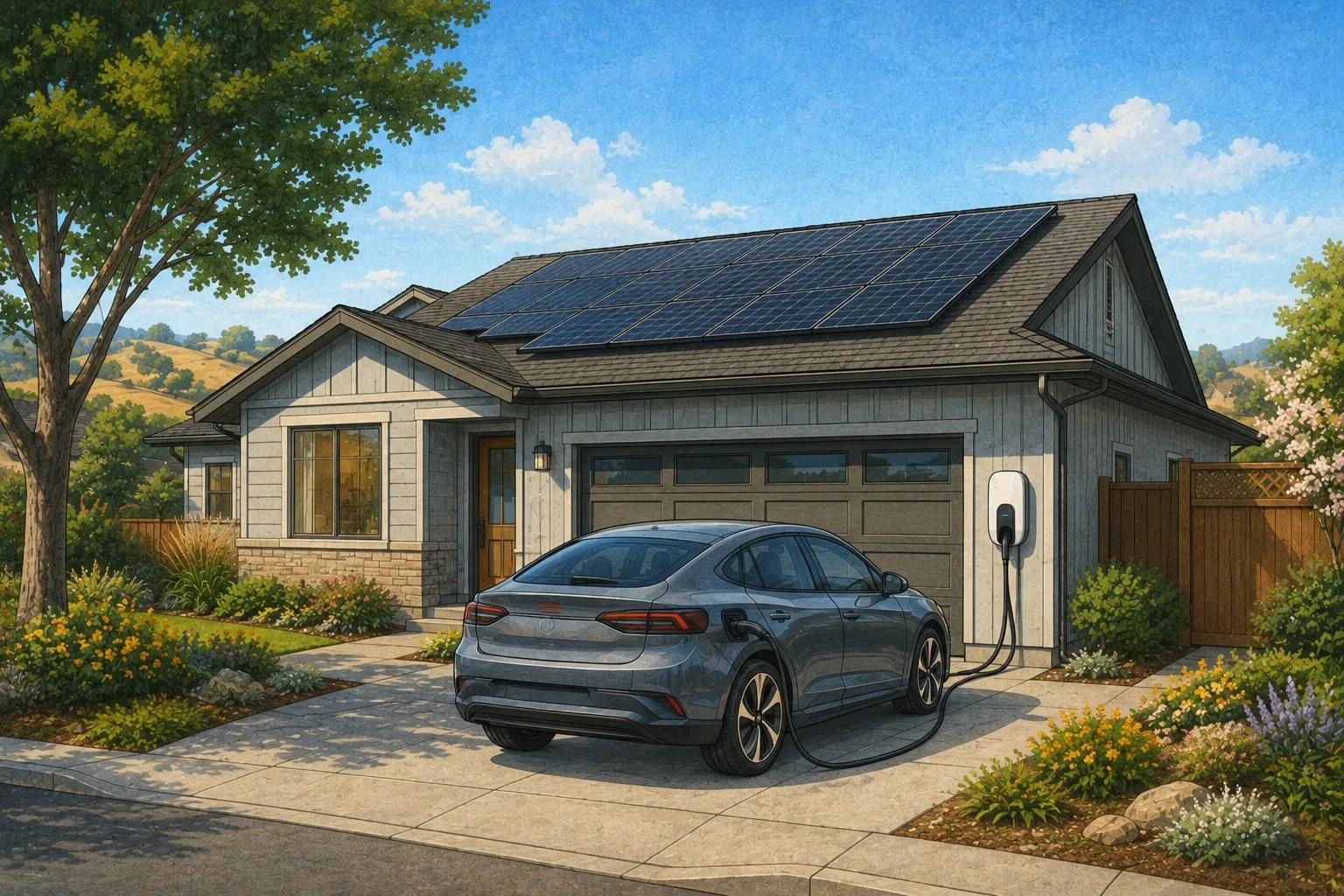
Electric vehicles are no longer a rare sight on Lake County roads. As more residents make the switch, the question is shifting from whether to get an EV to how to charge it at home reliably. For many households, home charging is the most realistic option, since many local drivers have found public charging options limited compared to larger metro areas, a gap Jonas Energy Solutions has heard about directly from customers.
Why Home Charging Beats Relying on Public Stations
Charging at home means waking up to a full battery every morning without planning a trip around a public station's availability. It also tends to be more predictable over time, since home electricity use is billed at familiar residential rates rather than variable public fast-charging fees. For rural and semi-rural communities throughout Lake County, a dependable home charger removes a layer of daily uncertainty that public charging cannot always solve.
Level 1 vs Level 2 EV Chargers: Which One Fits Your Home
What Level 1 Charging Offers
Level 1 charging uses a standard 120-volt household outlet, the kind already found in most garages. It requires no special equipment beyond the cord that comes with most EVs, but it charges slowly, often adding only a few miles of range per hour.
What Level 2 Charging Offers
Level 2 charging runs on a 240-volt circuit, similar to what powers an electric dryer, and it charges considerably faster. According to the U.S. Department of Energy's Alternative Fuels Data Center, Level 2 equipment typically delivers around 25 miles of range per hour of charging and requires a dedicated circuit to meet National Electrical Code requirements. Most homeowners who drive daily find Level 2 charging to be the more practical long-term choice.
Choosing Based on Your Daily Driving Needs
The right charger depends on how much you drive and how quickly you need a full battery. Someone with a short commute who charges overnight may do fine with Level 1. A household with multiple drivers, longer commutes, or a newer EV with a larger battery will usually benefit from the speed and consistency of Level 2 charging. For example, a driver with a 40-mile daily round trip could fully replenish that range overnight on a Level 2 charger, while the same session on Level 1 charging could take well over a day.
What Your Home's Electrical System Needs to Support an EV Charger
Checking Your Panel Capacity
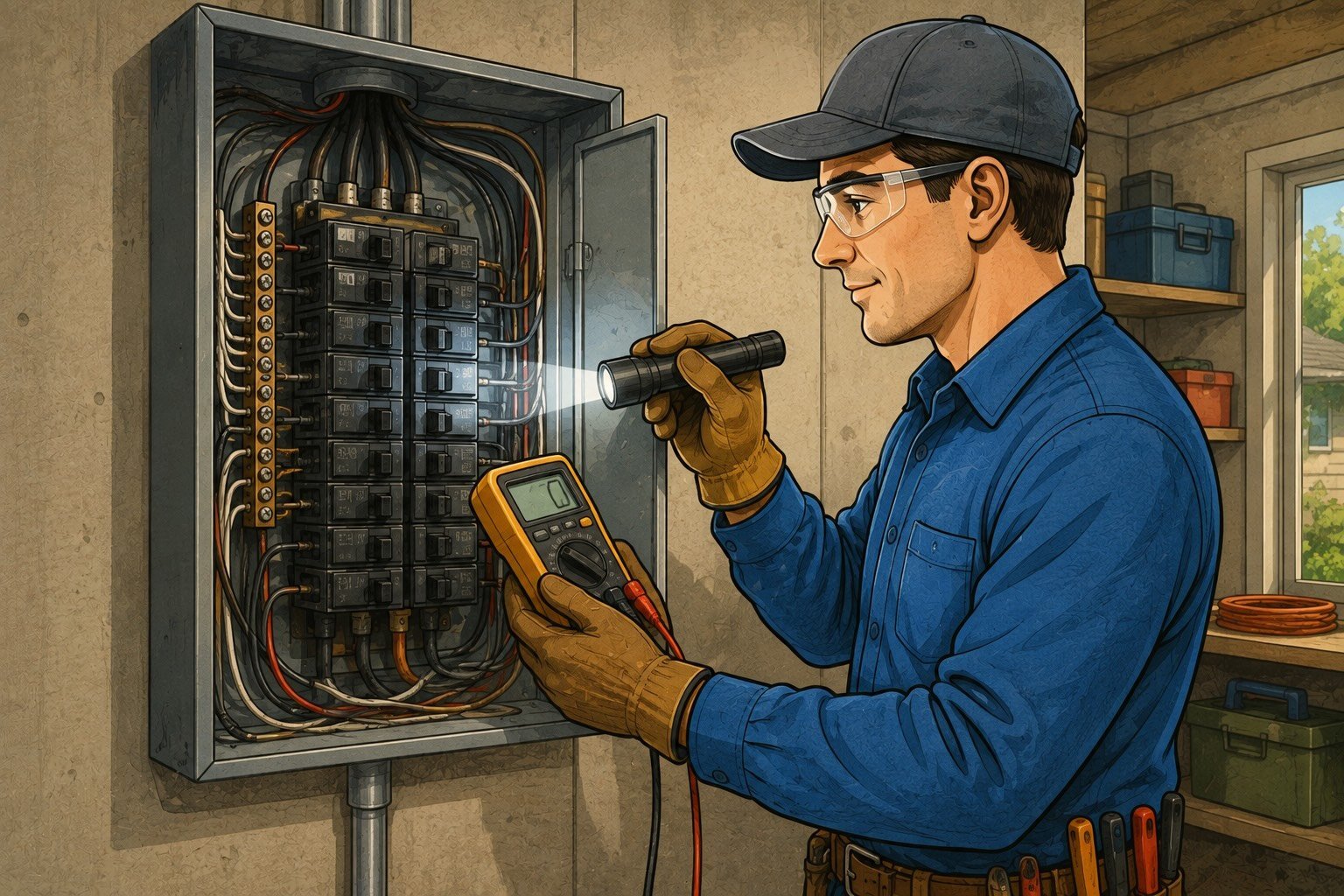
Not every home's electrical panel was built with EV charging in mind. Older homes, in particular, were often wired for a different era of appliances, and adding a Level 2 charger can push an aging panel past its comfortable capacity. This is one of the most overlooked steps homeowners skip when planning an installation on their own.
A few signs suggest a panel evaluation should happen before charger installation:
- Breakers already trip occasionally during normal household use
- The panel is original to a home built before the 1990s
- Solar, a home battery, or a whole-house generator has already been added or is planned
- An electrician has previously flagged limited spare capacity
Dedicated Circuits and Code Requirements
A Level 2 charger needs its own dedicated circuit, sized correctly for the equipment and installed to code. Skipping this step is not just a compliance issue, it is a safety one, since undersized wiring or shared circuits can overheat under sustained load.
When a Panel Upgrade Makes Sense
If an electrician determines your panel cannot safely support a new circuit alongside your home's other electrical demands, a panel upgrade may be the right next step. This is especially common in older Lake County homes that have added solar, HVAC upgrades, or other higher-demand systems over the years.
Why Professional EV Charger Installation Matters
The Risks of DIY or Unlicensed Installation
EV chargers pull far more power than typical household outlets, and installing one incorrectly can lead to tripped breakers at best and electrical hazards at worst. This is not a project where guesswork is a safe substitute for licensed electrical work.
What a Licensed Electrician Evaluates
A qualified electrician evaluates panel capacity, existing circuit load, charger placement, and local code requirements before recommending an installation approach. Jonas Energy Solutions offers EV charger installation as part of its solar and electrical work in Lake County.
Integrating a Charger with Solar or Battery Backup
For homeowners who already have or are considering solar, an EV charger can often be integrated with a home battery system so charging draws on stored solar energy rather than pulling entirely from the grid during peak hours. This kind of integration can make daily charging more predictable, especially during Lake County's periodic outages.
Planning Your EV Charger Installation in Lake County
Questions to Ask Before You Schedule Installation
Before booking an installation, it helps to have a few answers ready:
- How many miles do you typically drive in a day, and how quickly do you need a full charge
- Is your electrical panel original to the home, or has it already been upgraded
- Do you currently have, or plan to add, solar or home battery backup
- Where in your garage or driveway makes the most sense for charger placement
What to Expect During the Installation Process
A typical installation starts with an electrician assessing your panel and circuit capacity, followed by a discussion of charger placement and any code requirements specific to your home. From there, the work itself, including any needed panel upgrades, is completed by a licensed team that also handles Jonas Energy's broader solar and electrical work.
If you are weighing whether a home EV charger makes sense for your Lake County property, a straightforward conversation with a licensed electrician is the best starting point. Call Jonas Energy Solutions at (707) 994-5911 or contact the team to schedule a free EV charger installation consultation.