A commercial HVAC failure never sends a warning invoice first. For Lake County business owners, the real cost of an aging rooftop unit shows up as lost revenue, rushed emergency repair bills, and, eventually, a replacement decision made under pressure instead of on your own timeline. Budgeting for commercial HVAC ahead of time turns that surprise into a manageable line item.
Why Commercial HVAC Budgets Get Overlooked
Most small and mid-sized businesses in Lake County budget for rent, payroll, and inventory in detail, but HVAC often gets a single vague line: "repairs as needed." That approach works fine for a system in its first few years. It becomes expensive once equipment passes the 10 to 15 year mark, when parts fail more often and repair costs start competing with the price of a full unit.

A better approach treats commercial HVAC as three separate budget categories: routine maintenance, anticipated repairs, and eventual replacement. Planning for all three, rather than only reacting to breakdowns, is what keeps a surprise failure from becoming a surprise expense.
Line Items Lake County Owners Often Miss
Routine Maintenance Contracts
A maintenance plan is the least expensive line item on this list and the one most likely to get cut when budgets tighten. That is backwards. Regular filter changes, coil cleaning, and refrigerant checks catch small problems while they are still cheap to fix, and they are what keeps a rooftop unit reaching its full expected lifespan instead of failing early.
Emergency Repair Reserves
Even a well-maintained system eventually needs an unplanned repair. Owners who budget a modest reserve for this each year avoid having to pull from operating cash when a compressor or blower motor fails during a heat wave or cold snap.
Age-Based Replacement Planning
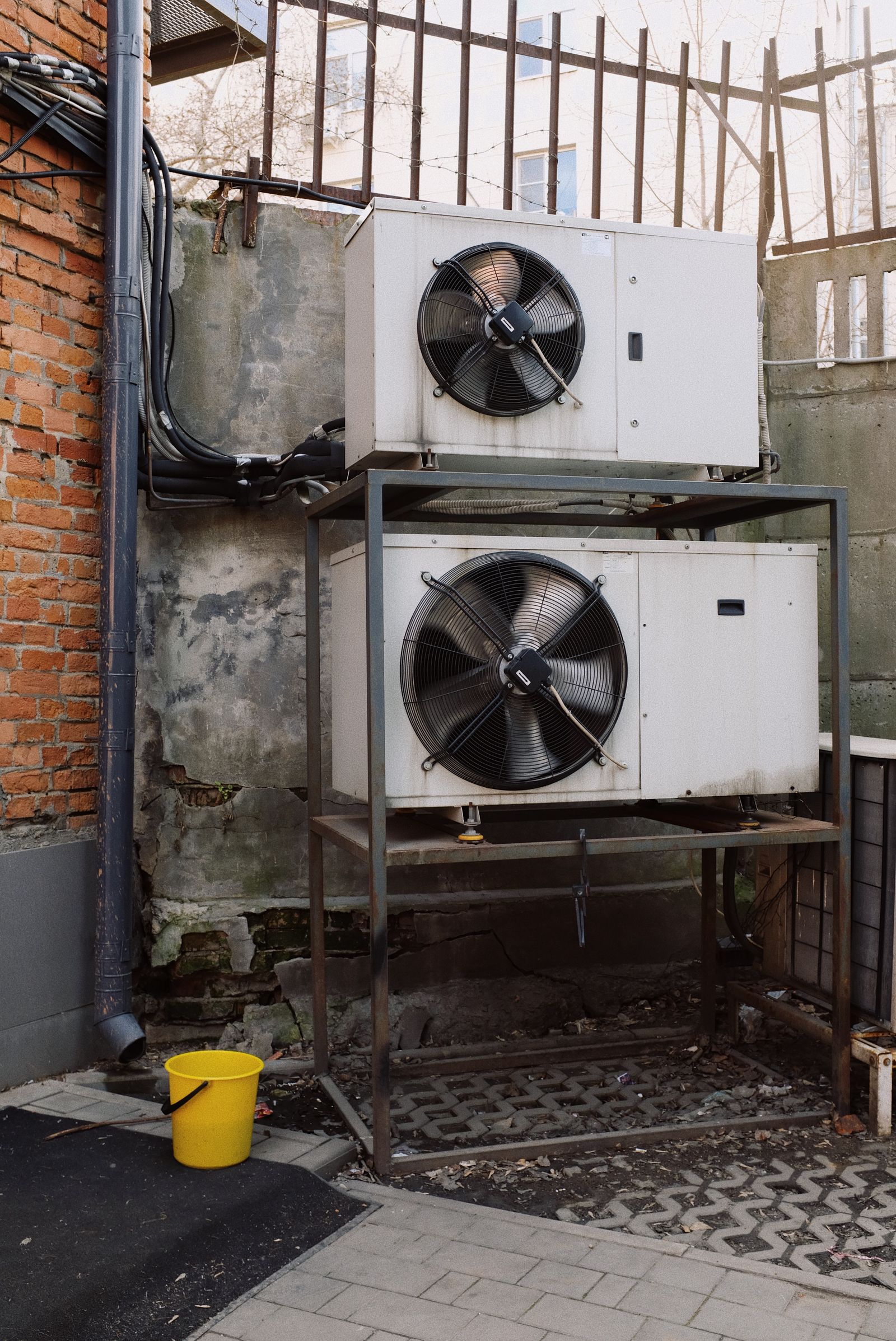
Commercial rooftop units typically last 15 to 20 years with good maintenance. Once a system passes the 12 to 15 year mark, it belongs in near-term capital planning rather than the maintenance budget. Tracking equipment age against expected lifespan lets an owner spread a replacement's cost over a few budget cycles instead of financing it all at once after a breakdown.
Energy Efficiency Upgrades
Older commercial systems often run far less efficiently than current equipment, and the gap shows up every month on the utility bill. When planning is done early enough, a business can time a replacement to a slower season and choose higher-efficiency equipment that lowers the monthly operating cost going forward, rather than replacing like-for-like under time pressure.
Building a Realistic Annual HVAC Budget
A workable starting point for most Lake County commercial buildings is to budget maintenance as a fixed, non-negotiable line item, set aside a repair reserve based on the system's age and condition, and revisit replacement timing every year rather than waiting for a failure to force the decision. Businesses with multiple units, walk-in coolers, or specialized commercial equipment should build a simple equipment log noting install date, service history, and any recurring issues, since that record is what turns "the AC is getting old" into an actual budget number.
Get a Realistic Number, Not a Guess
Jonas Energy Solutions works with Lake County business owners to turn "our HVAC is getting old" into an actual number that fits into next year's budget. A commercial HVAC assessment looks at your current equipment's age, condition, and efficiency, then lays out realistic maintenance, repair, and replacement costs so you can plan instead of react.
If your business is due for a budget review before the next heating or cooling season, contact our team or call us directly at (707) 994-5911. We will walk your property, review your current system, and help you build a commercial HVAC budget that holds up all year.