Before homeowners in Placerville, Cameron Park, Shingle Springs, and Pollock Pines can choose between a battery backup system or a whole-home generator, one foundational question needs an honest answer: what exactly has to keep running when the power goes out? Harder than it sounds. A PSPS event in El Dorado County can stretch from a few hours to several days, and the difference between a manageable inconvenience and a genuine health or safety emergency often comes down to which loads you planned for in advance. A critical-loads checklist is the tool that bridges the gap between guessing and knowing.
Why El Dorado County Homeowners Need a Critical-Loads Checklist Before Sizing Backup Power
The PSPS and Wildfire Outage Reality in the Foothills
A critical-loads checklist identifies exactly which appliances and systems must stay powered during an outage. Without one, homeowners risk buying a battery or generator that is either too small to cover real needs or oversized and overpriced. Both outcomes are avoidable with a simple upfront inventory. El Dorado County sits in PG&E territory that sees some of the most frequent PSPS activations in California. Foothill communities like Pollock Pines and Shingle Springs face a combination of high fire-risk transmission corridors and aging distribution infrastructure, which means outages here tend to be longer and less predictable than in suburban areas closer to the grid's core.
Sizing Without a Checklist Leads to Costly Mistakes
Homeowners who skip the inventory step often discover the problem at the worst possible moment. A battery system sized for lights and a refrigerator trips offline the moment a well pump kicks on. A generator that could handle everything draws more propane than expected because no one accounted for a heat pump's startup surge. These aren't hypothetical scenarios. They're what happens when the load math gets skipped. Getting the load math right before you buy is the single most cost-effective thing you can do. Explore the range of backup power and generator options for El Dorado County homes to understand what different system types are actually designed to handle.
Tier 1 Loads — What You Absolutely Cannot Lose Power To
Medical Equipment and Life-Safety Devices
Tier 1 critical loads are the non-negotiables. Medical devices, well pumps, refrigeration for food and medication, and any heating or cooling system needed to prevent a health emergency all belong here. These loads must be backed up first, regardless of which power source you choose. CPAP and BiPAP machines, oxygen concentrators, home dialysis equipment, and powered wheelchairs all fall into this category. So does any refrigerator or dedicated medication cooler storing insulin or other temperature-sensitive drugs. If anyone in your household depends on one of these devices, that device defines the floor of your backup power system. Full stop.
Well Pumps and Water Access on Rural Properties
Many homes in the El Dorado County foothills are on private wells. No power means no water, including drinking water, toilet flushing, and fire suppression capacity around your property. Well pumps are also among the most demanding loads on a backup system because of their high startup current, sometimes two to three times the running wattage. That startup surge is what catches people off guard. Your pump's horsepower rating and starting load must appear on your checklist, not as an afterthought but as a primary sizing input.
- CPAP, BiPAP, oxygen concentrators, or home dialysis machines
- Refrigerators storing insulin or other temperature-sensitive medications
- Well pump (note horsepower rating and starting load)
- Smoke and CO detectors on hardwired circuits
- Lighting in stairways, exits, and primary living areas
- Basic phone charging and communications
 Tier 2 loads like heat pumps and mini splits keep your home livable during extended PSPS events, but only if your backup system is sized to handle them.
Tier 2 Loads — Comfort and Function That Make an Outage Livable
HVAC Systems Including Heat Pumps and Mini Splits
Tier 2 loads won't put you in immediate danger if they go dark, but they matter enormously for comfort, safety over time, and the practical ability to stay in your home during a multi-day outage. Heating and cooling top this list for foothill homeowners. El Dorado County summers regularly push into triple digits, and winter nights at elevation can drop well below freezing. A home that loses climate control for 48 hours in August or January quickly becomes a place people can't safely occupy. Heat pump and HVAC systems compatible with backup power vary significantly in their load requirements, so knowing your system's wattage before you size your backup capacity is essential.
Water Heaters and Hot Water Access
Hot water access is easy to overlook until it's gone. Tankless water heaters draw a significant electrical load on demand. Heat pump water heaters are more efficient but still require power. Deciding whether to include your water heater on backup circuits is partly a function of how long you expect outages to last and how much capacity remains after Tier 1 loads are covered. Tankless and heat pump water heater options for El Dorado County homes each carry different load profiles, and that detail belongs on your checklist before any sizing conversation begins.
Tier 3 Loads — Conveniences Worth Including If Your System Has the Capacity
Once Tier 1 and Tier 2 loads are accounted for, the remaining capacity in your backup system can go toward quality-of-life items. These aren't frivolous. A home office setup keeps a remote worker earning income during a multi-day outage. A chest freezer preserves weeks of groceries. An EV charger running at a reduced rate keeps transportation available. The key is sequencing: never let Tier 3 loads crowd out the loads that matter more. Any panel upgrades and electrical work to support backup power loads should account for how these circuits are prioritized in a transfer switch or load-management configuration.
- Home office equipment (computer, monitor, router, modem)
- Chest freezer or secondary refrigerator
- Washer and dryer (particularly useful during extended outages)
- EV charger at reduced amperage if capacity allows
- Entertainment and communications (TV, streaming, smart home devices)
- Outdoor lighting and security cameras
 Your critical-loads checklist is the deciding factor. Battery backup suits frequent short outages, while a whole-home generator handles extended high-draw events.
Battery Backup vs. Whole-Home Generator — How Your Checklist Drives the Decision
When a Battery System Makes More Sense
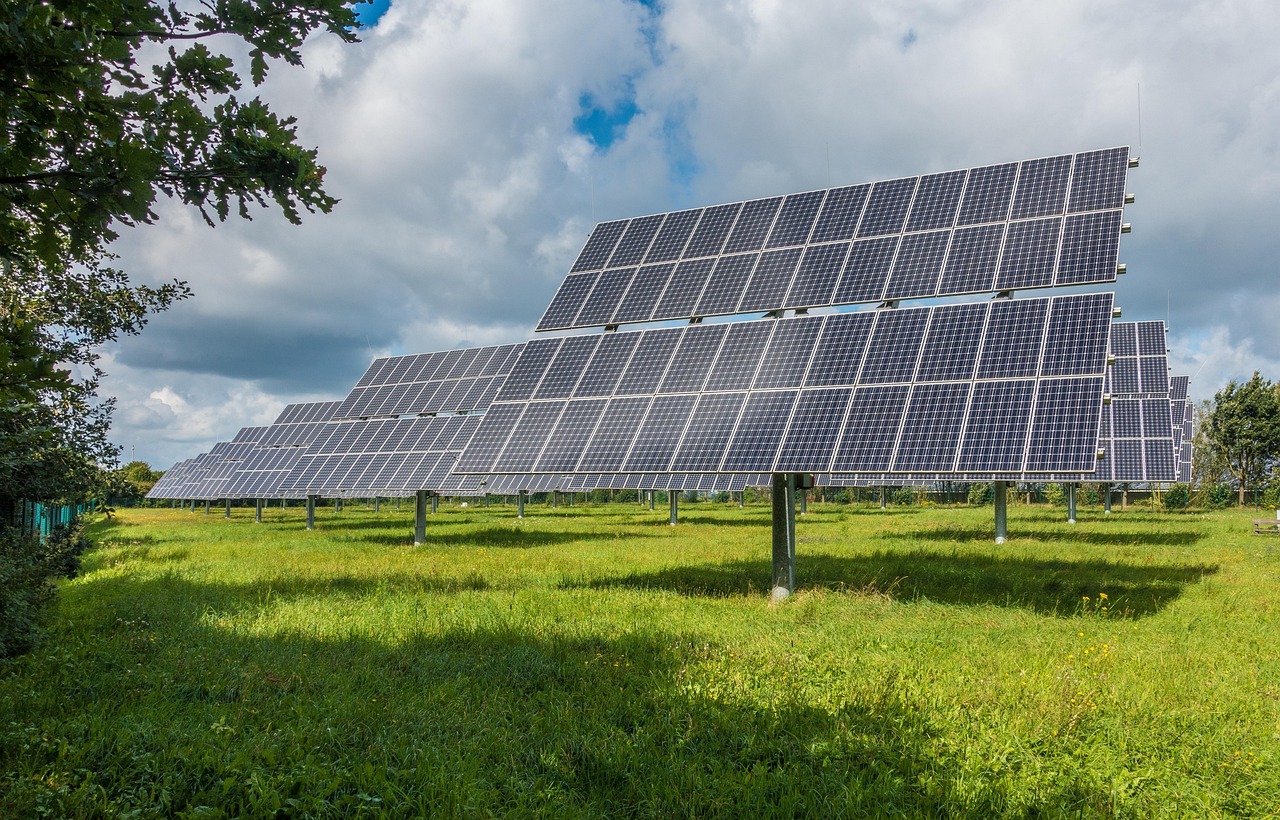
Your completed critical-loads checklist determines which backup power solution fits your home. Short, frequent PSPS events with moderate loads often favor a solar-paired battery system, while extended outages with high-draw appliances like well pumps and central HVAC typically call for a whole-home generator. Battery systems shine in specific scenarios. If your Tier 1 and Tier 2 loads are relatively modest, if you already have or are planning solar panels, and if most outages in your area resolve within 24 hours, a battery system can cover your needs quietly and without fuel logistics. Solar and battery storage systems for backup power in El Dorado County can be sized to prioritize exactly the circuits on your checklist, which means you're not paying for capacity you don't need.
When a Whole-Home Generator Is the Better Fit
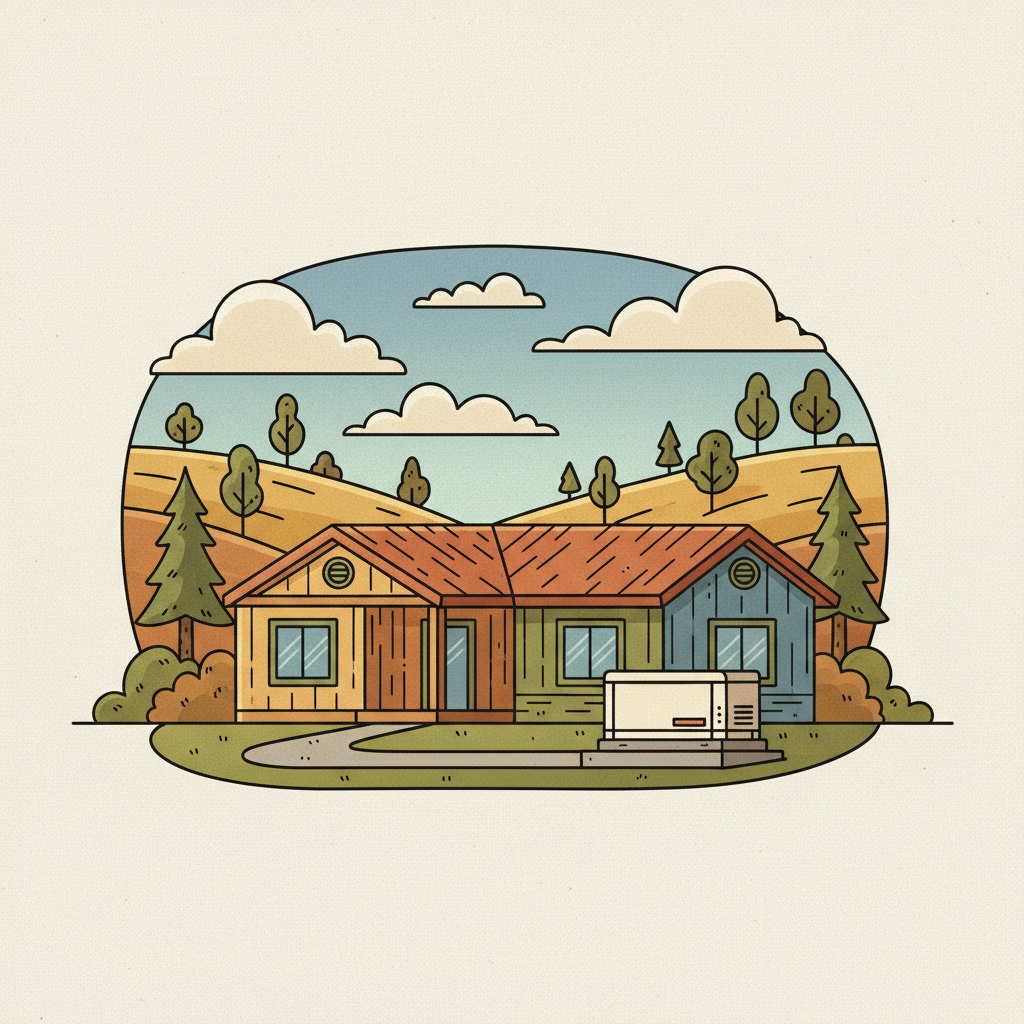
Properties with high-draw well pumps, large HVAC systems, or households that simply cannot tolerate the uncertainty of a battery running low after day two often land on a whole-home standby generator. These systems run on propane or natural gas, start automatically within seconds of an outage, and can sustain the full load of a home indefinitely as long as fuel is available. The tradeoff is noise, ongoing fuel cost, and the need for periodic maintenance. Neither option is universally better. The checklist is what makes the answer clear for your specific home.
How Jonas Energy Solutions Helps El Dorado County Homeowners Get This Right
Working through a critical-loads checklist on paper is a useful starting point. Turning that list into an accurate system specification is a different kind of work. It requires someone who understands load calculations, transfer switch configurations, and how different backup technologies perform under real-world conditions. That's the work Jonas Energy Solutions does during a backup power assessment. The process starts with your specific home, your existing equipment, and your actual outage history, not a generic package.
Keeping a backup system ready for the next outage season also requires more than a one-time install. Generators need annual service. Battery systems benefit from periodic firmware and configuration checks. Maintenance plans to keep backup power systems ready year-round take that responsibility off your plate so the system works when you actually need it. For homeowners concerned about the upfront investment, financing options for backup power installation in El Dorado County are available to help spread the cost without delaying the protection your household needs.
How do I find the wattage of my well pump for the checklist?
Check the nameplate label on the pump motor itself or the pump's documentation. Look for horsepower (HP) and full-load amps. A licensed electrician or backup power contractor can also measure running and startup wattage directly, which is the most accurate approach for sizing purposes.
Can a battery backup system run a well pump?
It depends on the pump's startup surge and the battery system's inverter capacity. Some battery systems can handle well pumps; others cannot manage the high starting current. This is one of the most important questions to answer during a load assessment before choosing a system.
How long do PSPS outages typically last in El Dorado County?
Duration varies widely. Some PSPS events resolve in under 12 hours; others have extended to two or three days in high fire-risk corridors. Planning for at least 48 to 72 hours of backup capacity is a reasonable baseline for foothill communities in El Dorado County, though your specific location and outage history should inform that estimate.
Do I need a panel upgrade to add a backup power system?
Not always, but it depends on your panel's age, available breaker space, and the type of backup system you choose. Older panels in El Dorado County homes sometimes lack the capacity or proper breaker slots for a transfer switch or battery connection. A site assessment will identify whether an upgrade is needed before installation.